



South Africa’s failure to protect African migrants has become so normal that Grammy Award-winning singer Tyla is now paying the political price.
Development Diaries reports that the South African singer has cancelled her planned concert in Lagos after renewed xenophobic attacks against Nigerians and other African migrants in her country triggered widespread calls for a boycott of the event.
Those backing the boycott argued that Nigerian audiences should not continue to celebrate South African entertainers while Nigerians and other African migrants still struggle to feel safe in South Africa.
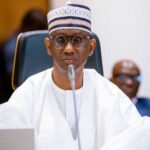
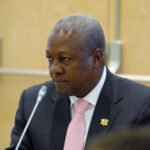
The cancellation came after Nigeria and South Africa sought to ease fresh diplomatic tensions over the attacks. During talks in Abuja, Nigeria’s Minister of State for Foreign Affairs, Sola Enikanolaiye, urged South Africa to do more to protect Nigerians and other African migrants, while the country’s Minister of International Relations and Cooperation, Ronald Lamola, promised stronger action against perpetrators and renewed cooperation between both governments.
The anger directed at Tyla reflects that years of official condemnations have done little to stop recurring attacks, leaving many Nigerians convinced that government promises arrive more reliably than government protection.
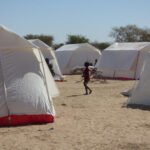
South Africa has repeatedly condemned xenophobic violence, but attacks continue often enough for African governments to organise evacuation flights instead of simply issuing travel advisories. That is where the system begins to fail.
The South African Police Service is expected to prevent attacks, protect victims and investigate offenders. The National Prosecuting Authority is responsible for ensuring perpetrators face justice, President Cyril Ramaphosa sets the country’s policy direction, and Minister Lamola now carries the diplomatic assurances made in Abuja that foreign nationals will be protected and those responsible prosecuted.
For Nigeria, its Ministry of Foreign Affairs has a continuing responsibility to protect Nigerians abroad and ensure those assurances do not end where the meeting in Abuja ended.
South Africa’s constitution guarantees the rights to life, dignity, equality and freedom from violence for everyone within its territory, regardless of nationality. The country is also bound by the African Union’s African Charter on Human and Peoples’ Rights, the International Covenant on Civil and Political Rights, and the International Convention on the Elimination of All Forms of Racial Discrimination, all of which require equal protection under the law and protection from discrimination and violence.
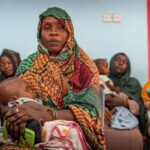
Those guarantees matter most to the people least able to recover when they fail, and these people include African migrants working as traders, mechanics, artisans, domestic workers and small-business owners, who can lose years of savings overnight when shops are looted, or homes are attacked.
Women face heightened risks of harassment and gender-based violence during periods of unrest, while children in migrant families endure interrupted schooling, displacement and trauma. For many low-income migrants, leaving South Africa means starting life all over again with little more than the belongings they can carry.
The meeting in Abuja should therefore test whether governments can finally break a cycle in which every fresh xenophobic attack is followed by another round of condemnations, emergency meetings and evacuation flights, while the violence itself survives untouched.
Citizens should reject misinformation that blames entire nationalities for crime, report xenophobic attacks promptly to the South African Police Service, and support credible organisations documenting abuses against migrants.
For their part, civil society organisations across Africa should continue to preserve victims’ testimonies and monitor whether the assurances announced in Abuja lead to fewer attacks rather than more diplomatic statements.
As for the South African Police Service, it should publish regular updates on investigations and arrests linked to xenophobic violence, while the National Prosecuting Authority should prioritise the prosecution of organised attacks against foreign nationals.
The South African government should also establish a public tracker showing reported incidents, investigations and convictions, while Nigeria should continue to monitor implementation of the commitments made in Abuja instead of allowing them to fade into another diplomatic communiqué.
African unity cannot survive on speeches alone when Africans still need evacuation flights to escape other Africans.
Photo source: EPA