




For decades, Niger Delta communities in southern Nigeria have been told to wait for environmental restoration while oil companies changed names, changed owners and moved on.
Development Diaries reports that Amnesty International has released a report based on internal Shell documents disclosed during legal proceedings in the United Kingdom, alleging that the company ignored repeated warnings about oil pollution in Nigeria’s Niger Delta while failing to properly investigate and remediate spills despite decades of public assurances.
However, Shell has rejected Amnesty International’s interpretation, insisting the documents have been selectively quoted and do not reflect the reality of widespread oil theft and sabotage in the region.
The report comes as international oil companies continue to sell their onshore assets in the Niger Delta, leaving communities with polluted rivers and contaminated farmland still searching for a clear answer about who remains responsible for restoring the environment after ownership changes hands.
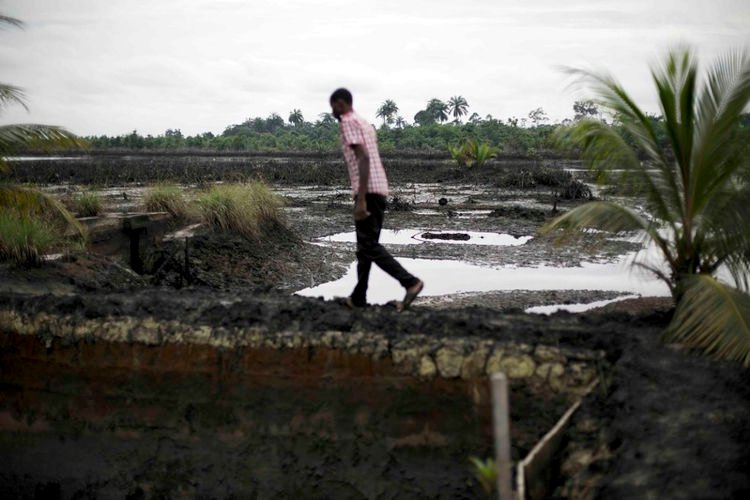
That uncertainty sits alongside a long-established environmental record, as the United Nations Environment Programme’s assessment of Ogoniland found contamination so severe that restoring the environment could take decades and identified drinking water polluted with carcinogenic substances.
More than a decade later, remediation has progressed slowly, while spills linked to ageing infrastructure, operational failures, sabotage and oil theft continue across the Delta.
Amnesty International says that the newly disclosed records reinforce long-standing concerns that environmental liabilities cannot simply disappear because an asset changes hands, arguing that communities living with the consequences still deserve to know who now carries the legal obligation to restore their land and water.
Nigeria already has agencies responsible for monitoring oil spills and enforcing clean-up obligations, but polluted communities have repeatedly watched remediation timelines slip while liability becomes increasingly disputed between former operators, successor companies and regulators.
The National Oil Spill Detection and Response Agency (NOSDRA) is expected to enforce remediation obligations, while the Nigerian National Petroleum Company Limited (NNPCL) and other government agencies overseeing the petroleum sector should ensure environmental liabilities survive corporate divestment instead of disappearing during asset transfers.
The African Commission on Human and Peoples’ Rights has recognised that Niger Delta communities have enforceable rights to health, livelihood and a healthy environment, while Nigeria’s constitutional directive principles require the state to protect environmental resources in the public interest.
Riverine communities continue to pay the highest price for failures they did not create, with women who depend on artisanal fishing, farming and food trading losing their livelihoods when polluted rivers no longer sustain fish and contaminated soil stops producing crops.
As primary caregivers, women also shoulder the health consequences when contaminated water exposes families to disease. Children, pregnant women and low-income households face the greatest risks because they have the fewest alternatives when their only water sources become unsafe.
Researchers have repeatedly linked prolonged exposure to oil pollution in parts of the Niger Delta to serious health problems, including contaminated drinking water and reduced life expectancy in heavily affected communities.
Communities and environmental organisations should demand that remediation obligations contained in divestment agreements be made public while continuing independent water and soil testing so that contamination cannot be disputed without credible evidence.
For its part, NOSDRA should publish a comprehensive audit of every outstanding clean-up obligation across the Niger Delta, enforce legally binding remediation timelines against responsible operators, and ensure every divestment agreement clearly assigns inherited environmental liabilities before ownership transfers receive approval.