



A six-hour wait for emergency treatment can become a matter of life and death, but Nigeria has no published standard telling hospitals how long is too long.
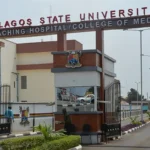
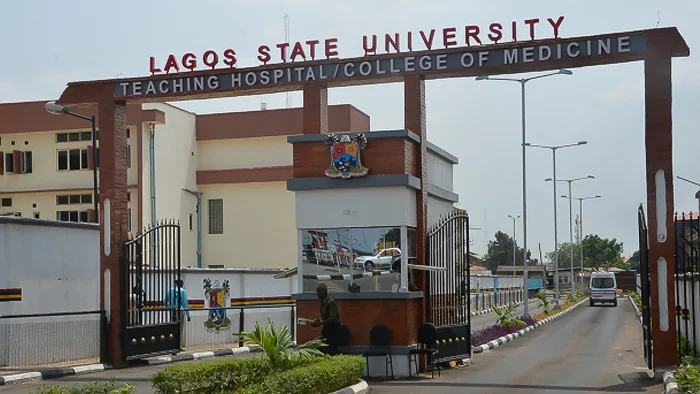
Development Diaries reports that a family in Lagos has alleged that their brother arrived at Lagos State University Teaching Hospital (LASUTH) needing urgent care, waited for about six hours before meaningful treatment began and died.
The full facts still need to be established, but the absence of a published national or Lagos State standard for emergency waiting times creates a problem that goes beyond one case.
If a patient waits six hours in an emergency department, there should be a standard against which that experience can be measured, alongside records showing when the patient arrived, when they were assessed, what priority they received and when treatment began.
LASUTH is one of the busiest public tertiary hospitals in the region, receiving referrals from across Lagos and neighbouring areas, while doctors and nurses across Nigeria’s public health system continue to work under staffing shortages worsened by professional emigration.
Those pressures can explain why emergency departments become crowded, but they cannot settle whether a particular patient was left waiting longer than their condition allowed.
That is where emergency triage comes in. Triage determines who should be seen first, so a patient showing signs of stroke, severe bleeding or another life-threatening condition should move ahead of someone with a less urgent complaint, with the priority category and waiting time recorded.
Nigeria’s public hospitals practise triage, but there is no published national standard setting maximum waiting times for emergency patients according to priority, no clear requirement to audit arrival-to-treatment times and no routine public reporting of emergency department performance.
Without those measures, a six-hour wait cannot easily be judged. The question becomes whether the hospital followed its own procedures rather than whether the system met a publicly defined standard.
Money can create another delay. Section 20 of the National Health Act 2014 prohibits a health care provider from refusing a person emergency medical treatment for any reason. But Nigerian families have repeatedly described being asked to buy consumables, make deposits or produce cash before treatment begins.
Whether that happened in this case still needs to be established, but any payment demand that delays emergency treatment creates another barrier between a patient and care.
The complaint system leaves another gap because a family that believes a relative died due to delay can write to hospital management, approach the Medical and Dental Council of Nigeria where professional conduct is involved or pursue litigation.
But none of those routes is designed specifically to provide an independent finding on how an emergency department functioned as a system, including staffing, triage, payment procedures, communication and escalation.
LASUTH management, the Lagos State Ministry of Health, the Health Facility Monitoring and Accreditation Agency (HEFAMAA), the Medical and Dental Council of Nigeria, the National Health Insurance Authority and the Federal Ministry of Health and Social Welfare all have responsibilities that should now be brought to bear on the issue.
The legal framework already recognises the importance of timely emergency care, with Section 20 of the National Health Act prohibiting refusal of emergency treatment, while Section 17 of the constitution directs the state to promote adequate medical and health facilities.
Article 16 of the African Charter on Human and Peoples’ Rights also recognises the right to enjoy the best attainable state of physical and mental health and requires states to ensure people receive medical attention when sick.
Women in obstetric emergencies face particularly severe consequences from delay, while children with severe malaria, dehydration or respiratory distress can deteriorate quickly. Older people and persons with disabilities may also be less able to advocate for themselves in crowded emergency departments.
The LASUTH case should therefore produce more than an investigation into one family’s allegation. LASUTH should publish its account and the outcome of any internal review, while the Lagos State Ministry of Health should establish and publish emergency triage standards with maximum waiting times linked to priority categories and require public hospitals to record and report compliance.
For the HEFAMAA, it should publish the outcome of any investigation into the case and begin making emergency performance data available, while the Federal Ministry of Health and Social Welfare should strengthen national regulations implementing Section 20 of the National Health Act, including clear rules against pre-payment demands that delay emergency treatment.
The National Health Insurance Authority should also explain how emergency care is financed for uninsured patients at public facilities.
As for families using public emergency departments, they can help create an evidence trail by recording arrival time, first assessment, treatment and any payment demand, while civil society health organisations can compile anonymised patient experiences and publish waiting-time data where official figures remain unavailable.
The question raised by this family’s account is therefore larger than whether one patient waited six hours.