





A disputed memorandum alleging that GH¢70,000 changed hands during the parliamentary vetting of Supreme Court nominees has gone quiet after the Office of the Special Prosecutor (OSP) opened an investigation, leaving Ghanaians with an allegation that has generated headlines but no public finding.
Development Diaries reports that the memorandum began circulating in the first days of September and was attributed to Asokwa MP and Deputy Minority Leader Patricia Appiagyei, who appeared to be returning the money after saying she did not know where it came from.
The document was reportedly addressed to Minority Chief Whip Frank Annoh-Dompreh and linked the alleged payment to the vetting of ministerial and Supreme Court nominees by Parliament’s Appointments Committee.
The OSP announced preliminary investigations after the memorandum emerged, while reports about the alleged payment triggered headlines and radio discussions across Ghana.
Two weeks later, however, there has been no public update on the investigation or any finding on whether the memorandum is genuine and whether the alleged payment was ever made.
The memorandum reportedly named Majority Leader Mahama Ayariga and Deputy Majority Leader Zanetor Agyeman-Rawlings and referred to the Minority Caucus’ protest and non-participation in the 27 August vetting of three Supreme Court nominees.
It is understood that the Minority Caucus has disputed the document’s authenticity, with Second Deputy Minority Whip Jerry Ahmed Shaib describing it as fake.
The competing claims leave the OSP with establishing whether the memorandum is genuine and, if it is, whether the GH¢70,000 payment described in it actually happened, where the money came from and whether it was connected to the vetting process.
That process is significant because the appointments committee serves as the constitutional filter for presidential nominees to ministerial office and the Supreme Court, with the three justices vetted on 27 August expected to serve on Ghana’s highest court for years.
The Supreme Court hears constitutional disputes, election petitions and appeals that can affect the rights and interests of citizens who may have no connection to the politicians whose names appear in the current controversy.
Any payment connected to the vetting of judges would therefore raise questions about the integrity of a process through which the country selects people who will later decide disputes involving the state and its citizens.
If the memorandum is fabricated, that would also require an explanation because a forged document linking MPs to an alleged payment around the appointment of Supreme Court judges could itself be an attempt to damage confidence in the parliamentary process.
The investigation therefore has to produce a finding regardless of which side of the dispute the evidence supports.
Ghana’s anti-corruption institutions regularly announce investigations, but information about what happens after the announcement is less consistent, as there is no statutory requirement for the OSP to publish investigation updates at defined intervals.
Ghana’s constitutional framework already provides citizens with grounds to demand accountability. Article 35(8) directs the state to take steps to eradicate corrupt practices and abuse of power, while Article 284 requires public officers to avoid situations where personal interests conflict with their official duties.
Article 21(1)(f) guarantees the right to information, with the Right to Information Act 2019 providing the mechanism for citizens to request information from public institutions.
Ghana has also ratified the African Union Convention on Preventing and Combating Corruption and the United Nations Convention against Corruption, which provide wider commitments around effective anti-corruption institutions and access to public information.
Those protections become more important for people who depend almost entirely on public institutions when they need justice.
A low-income worker, market trader or resident of a community where public services are weak cannot easily buy private alternatives when a public institution fails, while land disputes, labour cases, criminal appeals and constitutional challenges can ultimately reach the same Supreme Court whose nominees are at the centre of the current controversy.
The proposed Public Office Code of Conduct Bill and new asset declaration regime announced by President Mahama also need a clear legislative timetable if citizens are to follow their progress and assess whether commitments to public integrity are becoming enforceable safeguards.
Citizens can use the Right to Information Act to request the status of the OSP investigation and ask Parliament for relevant expenditure and allowance records from the vetting period, while civil society organisations and journalists can track the case and record the outcomes of OSP investigations so that cases do not disappear when public attention moves elsewhere.
The OSP should provide a public update on the vetting investigation and establish a regular case-status register showing investigations opened, closed and referred, with reasons where disclosure is legally possible.
For the speaker, Alban Bagbin, he can refer the parliamentary aspects of the allegation to the appropriate committee for internal scrutiny, while the Supreme Court’s determination of the OSP’s prosecutorial mandate should resolve the uncertainty around the agency’s powers.
The investigation should ultimately establish whether GH¢70,000 was connected to the vetting of Supreme Court nominees, whether the memorandum was genuine and what happened after it began circulating, because citizens should not have to remember the allegation while waiting indefinitely for the institutions responsible for finding the answer.
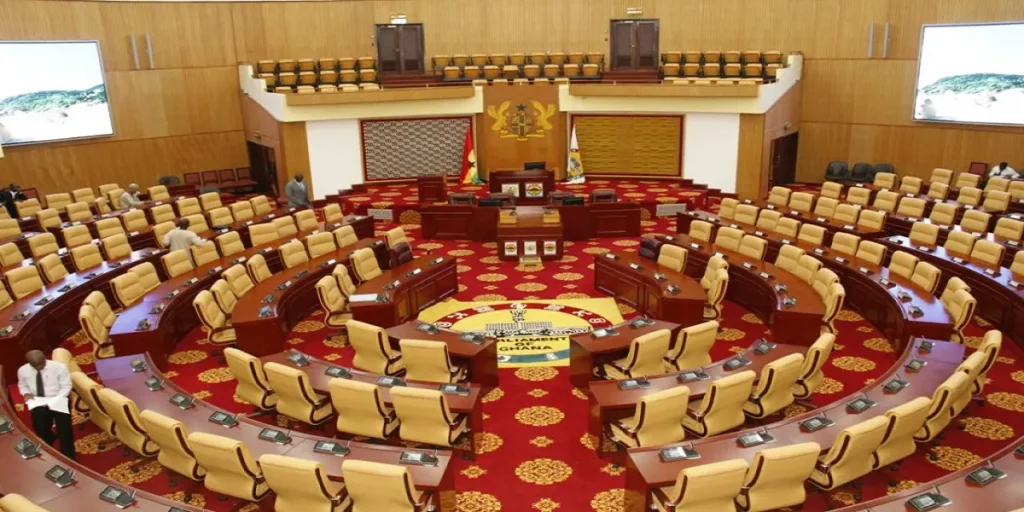
Photo source: Commonwealth Parliamentary Association