


Conflicting accounts of visibility during Malawi’s Chikangawa plane crash are now before a parliamentary inquiry whose own composition has been questioned, raising concerns about whether a politically constituted committee can provide the technical answers needed to make aviation safer.
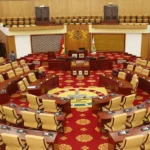
Development Diaries reports that the ad hoc parliamentary committee investigating the 2024 Chikangawa crash has heard conflicting evidence about visibility conditions at the time of the accident, while the Malawi Congress Party had earlier objected to the committee’s composition on grounds that it favoured the governing side.
One of the party’s proposed members, Monica Chang’anamuno, was excluded because she had served as Minister of Defence under the previous administration, adding a political dispute to an inquiry that needs to establish what happened to the aircraft and whether failures in the aviation system contributed to the crash.
That dispute may sound like ordinary parliamentary politics, but a plane crash is a poor place for politics to do the work of aviation science.
Establishing what happened can require evidence on weather conditions, air traffic control, aircraft maintenance, pilot decisions, cockpit and ground communications and the emergency response after the aircraft went down.
Parliament has an important role in questioning officials, examining government decisions and exposing failures, including using its powers to demand that recommendations are acted upon.
The technical reconstruction of a crash, however, requires specialised expertise, access to evidence and independence from political pressure.
The disagreement over visibility should therefore be settled through weather records, technical data, witness accounts and other available evidence, rather than becoming another contest between competing political positions.
That evidence will also shape whether the final findings are trusted because when the composition of a parliamentary committee is already disputed, its technical conclusions can be viewed through a political lens even where the evidence points elsewhere, leaving families to wonder whether the findings came from the evidence or the arithmetic of a committee room.
Malawi’s Department of Civil Aviation has responsibility for aviation safety regulation, while the parliamentary committee has an oversight role. The Ministry of Transport and other relevant government authorities will have to act on whatever safety failures and recommendations emerge.
Parliament can ask why warnings were missed, whether regulations were followed and what government agencies did before and after the crash. An independent technical investigation should establish the chain of events needed to answer those questions.
The stakes extend beyond the families of those who died, with passengers who continue to use Malawi’s airports depending on the aviation system learning from serious accidents, while communities around crash sites depend on effective emergency response.
Tourism and trade also depend on confidence that aviation authorities investigate failures properly and act on what they find.
The right to life protected by Malawi’s constitution and the African Charter on Human and Peoples’ Rights gives the investigation a human dimension beyond parliamentary procedure.
Malawi is also a member of the International Civil Aviation Organization, whose international standards provide a framework for independent aircraft accident investigation and publication of safety findings.
An aviation investigation should establish causes and prevent another tragedy rather than simply identify someone to blame. That requires investigators who can examine evidence without political pressure and publish findings that can withstand scrutiny.
Malawi should publish the technical accident investigation report and its safety recommendations, while the parliamentary committee should make its evidence and final report available for public scrutiny.
The government should also explain how it will implement the recommendations and report publicly on progress, including any review of air traffic control, weather reporting and emergency response systems.
The Chikangawa crash will only produce a lasting public benefit if Malawi can move from competing accounts of what happened to evidence strong enough to make the next flight safer.
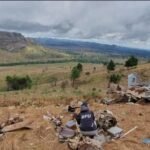
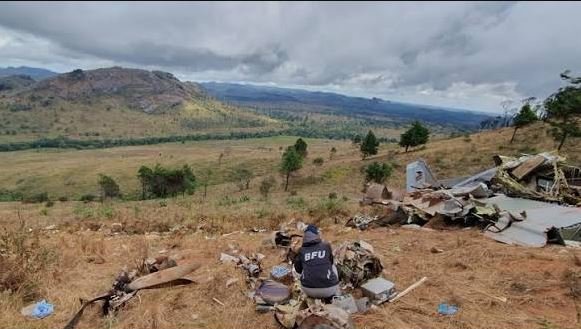
Photo source: BFU