



Millions of Nigerians are being asked to survive rising food prices, shrinking humanitarian support and an economy that still leaves too many families one shock away from hunger.
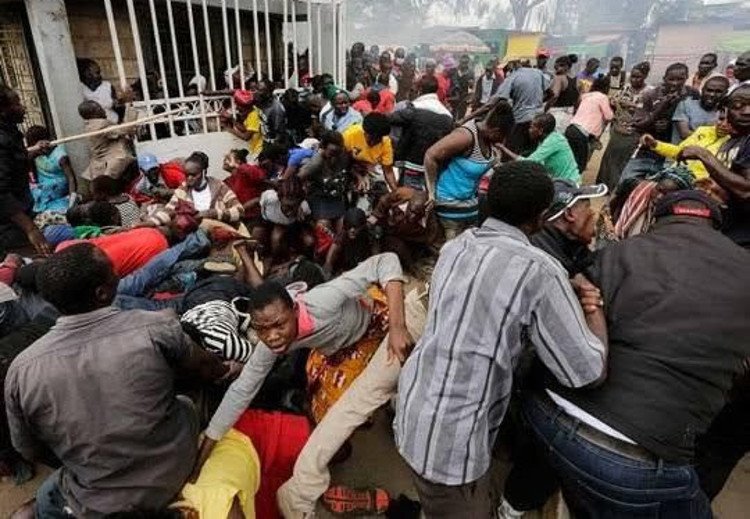
Development Diaries reports that the United Nations recently warned that nearly 35 million Nigerians could face hunger in 2026 as humanitarian agencies struggle with declining funding, renewing concerns about whether the country is prepared to protect its poorest citizens as international support continues to shrink.
The warning comes as analysts argue that Nigeria must take greater responsibility for financing its humanitarian response instead of relying heavily on donors.
That transition, however, requires domestic funding, stronger institutions and clear implementation plans. Otherwise, reducing external support simply transfers the burden to families already struggling to survive.
The warning also coincides with other developments pointing in the same direction. Analysts say a new 12.5 percent United States tariff could reduce opportunities for Nigerian exporters, particularly small businesses and agricultural producers, while the appointment of former Ekiti State governor Ayodele Fayose as chairman of the Rural Electrification Agency has renewed scrutiny over whether agencies serving vulnerable communities will prioritise results or political patronage.
Nigeria has not built strong domestic systems to protect citizens when external support declines. Humanitarian programmes still depend heavily on donor funding, export earnings remain concentrated in a few sectors vulnerable to external shocks, and agencies meant to serve poor communities attract more political attention than measurable public results.
The Federal Ministry of Humanitarian Affairs and Poverty Reduction, the National Emergency Management Agency (NEMA), the Federal Ministry of Industry, Trade and Investment, the Nigerian Export Promotion Council and the Rural Electrification Agency all carry responsibilities for strengthening those safety nets before humanitarian conditions deteriorate further.
Nigeria is a party to the International Covenant on Economic, Social and Cultural Rights, which recognises the right to adequate food and an adequate standard of living. Chapter Two of the 1999 constitution also commits government to promoting the welfare of citizens, making food security more than an economic objective.
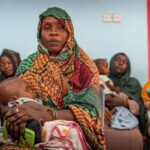
The people most affected remain those with the fewest options, as displaced families in the northeast, many headed by women, continue to rely on shrinking food assistance, while smallholder farmers and small exporters face additional pressure from changing international trade policies, just as communities without reliable electricity struggle to power health centres, schools and small businesses that could improve local livelihoods.
The United Nations and development experts agree that Nigeria should eventually finance more of its humanitarian response. That goal becomes meaningful only when government demonstrates that domestic institutions have the resources and capacity to replace the support now disappearing.
Citizens should monitor humanitarian, food-security and rural-electrification budgets against approved plans, publish spending gaps and demand transparency over how transition funds are allocated.
The Federal Ministry of Humanitarian Affairs should publish a phased, fully funded transition plan with measurable implementation milestones within 90 days, while the Rural Electrification Agency should publicly report delivery targets, project locations and implementation progress for its rural electrification programmes.