





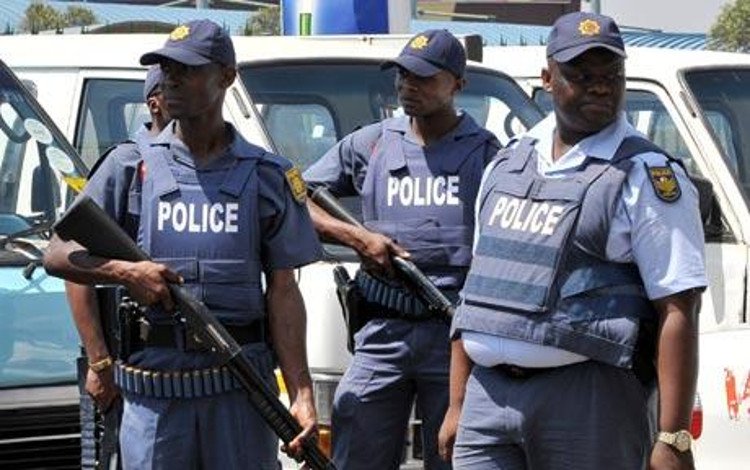
South Africa cannot expect citizens to trust the police when the same police are being investigated for working with the criminals they are supposed to arrest.
Development Diaries reports that the country’s Madlanga Commission of Inquiry recently adjourned after the head of the Investigating Directorate Against Corruption, Andrea Johnson, was hospitalised, temporarily slowing hearings into allegations that organised crime has infiltrated the country’s policing and justice institutions.
The commission was established following claims that criminal syndicates had compromised senior police and government officials, raising concerns about whether law enforcement is still working for the public or for the people it is supposed to stop.
In July 2025, KwaZulu-Natal Police Commissioner Nhlanhla Mkhwanazi publicly alleged that Police Minister Senzo Mchunu and a deputy national police commissioner had links to organised crime and dismantled a specialised unit investigating politically motivated killings.
He warned that South Africa’s policing system risked total collapse if nothing changed.
Both officials were later suspended, while months earlier, authorities arrested 12 senior police officers, including a major-general and several brigadiers, together with a businessman over a multimillion-dollar police procurement contract allegedly linked to organised crime.
The issue now is whether South Africa can restore accountability when those accused of protecting criminals occupy some of the highest positions in the institutions responsible for enforcing the law.
Internal disciplinary processes rarely succeed when the people expected to enforce discipline are themselves under investigation.
Responsibility therefore rests with the South African Police Service, the National Prosecuting Authority and President Cyril Ramaphosa’s administration, which established the commission and will ultimately decide whether its findings produce prosecutions or simply another report.
South Africa’s constitution guarantees everyone equal protection under the law as well as the right to freedom and security.
Those guarantees lose meaning when citizens cannot confidently distinguish between officers enforcing the law and officers protecting organised crime.
The consequences are felt most heavily in poor townships where violent crime remains highest and private security is often unaffordable.
Women experience another layer of failure because gender-based violence investigations become even less likely to receive attention when compromised officers divert resources or dismantle specialised investigative units.
Civil society organisations, including Corruption Watch, have described the commission as a defining opportunity to confront the extent of corruption within South Africa’s policing system.
The evidence is already substantial; what remains uncertain is whether the political will exists to remove, prosecute and replace those found responsible.
Community policing forums and civil society organisations should monitor implementation of the commission’s recommendations while documenting cases involving police misconduct or deliberate failure to investigate crime.
The presidency should immediately implement disciplinary and criminal actions against officials implicated by credible evidence, while the National Prosecuting Authority should strengthen and protect the units responsible for investigating organised crime within the police service.
When criminals capture the police, citizens no longer know whether the uniform represents protection or danger.
Photo source: Groundup