




Kenya asking citizens to pay more taxes while families are still waiting for justice for children killed during anti-government protests sends the wrong message about who government expects to be accountable.
Development Diaries reports that the country’s National Assembly recently passed the Finance Bill 2026 by 122 votes to 40, approving measures expected to raise about KSh100 billion in additional government revenue.
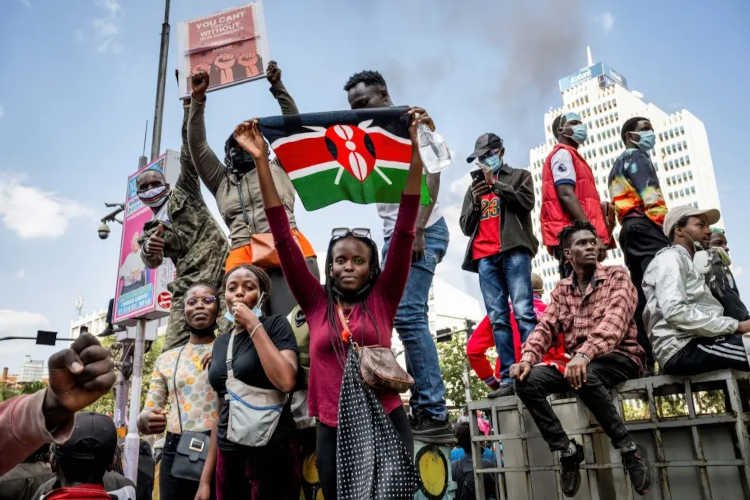
The tax law arrives while many questions surrounding the deadly crackdown on the 2024 and 2025 Gen Z protests remain unanswered.
Human rights groups and media organisations say more than 60 people were killed and over 500 injured during the demonstrations.
President William Ruto has since announced a compensation fund for victims of the protest violence, acknowledging that harm occurred without accepting responsibility for how it happened.
But compensation cannot replace accountability when families are still waiting to know who killed their children, with questions intensifying over reports of a proposed United States-backed Ebola quarantine facility at Laikipia Air Base and a separate arrangement granting the United States access to Kenya’s strategic mineral resources, with both negotiations attracting criticism for proceeding without sufficient public disclosure.
Kenyans are therefore being asked to accommodate foreign health infrastructure and strategic resource agreements without knowing exactly what their government negotiated on their behalf.
Governments can ask citizens to contribute more through taxes, but they are equally expected to explain how public power is exercised, lives are protected, and national resources are negotiated.
Government cannot expect public trust while protest deaths remain unresolved and major international agreements continue to emerge without public scrutiny.
Kenya’s constitution guarantees the right to peaceful assembly, protects the right to life, and requires meaningful public participation in decisions affecting citizens.
Those guarantees lose their purpose when peaceful demonstrations end in deaths without accountability and important public agreements are negotiated away from public view.
The burden has fallen most heavily on young Kenyans who led the Gen Z protests and on low-income households that will feel every additional tax first.
Many of the families still demanding justice are mothers who have spent two years waiting for investigations to produce the names of those responsible for killing their children.
At the same time, ordinary citizens are expected to shoulder higher taxes while remaining largely excluded from decisions affecting public health infrastructure and access to the country’s natural resources.
Victims’ families and human rights organisations should continue to demand an independent public inquiry into the protest killings while pursuing disclosure of agreements relating to the proposed Ebola facility and mineral access.
Parliament should also require every foreign agreement involving public health infrastructure or strategic national resources to undergo full public scrutiny before approval, while the National Police Service should identify and prosecute officers responsible for unlawful killings and enforced disappearances during the protests.
Government cannot keep asking citizens to trust its decisions while refusing to fully explain how those decisions are made or who answers when those decisions cost lives.