






More than five decades after the Nigerian Civil War ended, the country is still arguing over what reconciliation actually meant.
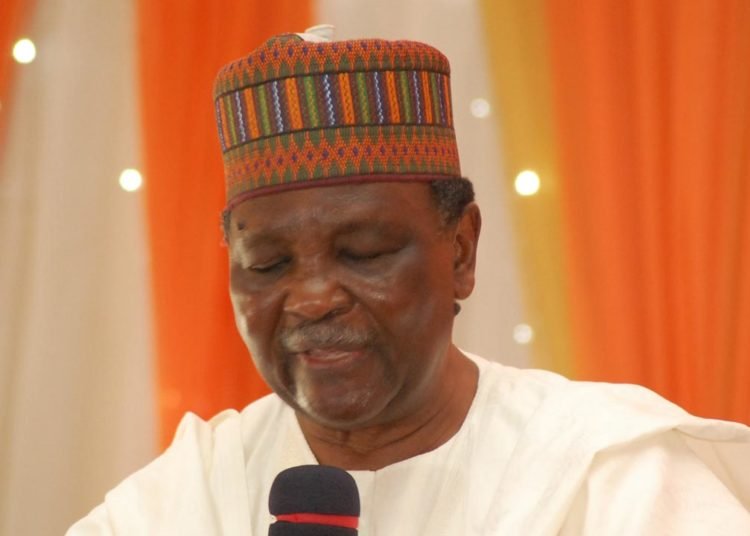
Development Diaries reports that former Head of State Yakubu Gowon has reignited debate over the aftermath of the civil war after stating publicly that the Igbo were compensated following the conflict, a claim that drew swift criticism from leaders and groups in Nigeria’s southeast.
For many Nigerians, especially in the southeast, the disagreement goes beyond one statement because the country has never produced a comprehensive public account of what happened after the war, what was promised, what was implemented and who ultimately benefited.
That silence has allowed competing versions of history to survive for decades.
The federal government declared a policy of reconciliation, reconstruction and rehabilitation after the war ended in 1970, but questions surrounding abandoned property, the 20-pound policy, post-war financial reintegration and infrastructure development in the southeast have remained subjects of disagreement rather than settled national records.
Every generation has therefore inherited the same argument without inheriting the same facts. That is why Gowon’s comments have generated such strong reactions.
Nigeria’s challenge is about whether the country has honestly documented how it rebuilt afterwards.
The responsibility for answering that question belongs to the Nigerian state because successive governments have overseen national reconciliation without producing an authoritative public record capable of resolving long-standing disputes over restitution, reconstruction and post-war development.
Nigeria’s constitution guarantees equality before the law and requires government to promote national unity through fairness and inclusion. Those commitments become difficult to measure when one of the country’s defining historical events remains trapped between competing narratives instead of verified public evidence.
Young people from the southeast who never experienced the war continue to inherit its unresolved questions, while communities that lived through the conflict still debate whether reconciliation was fully implemented.
Historians and reconciliation scholars have repeatedly argued that lasting national healing depends on establishing an evidence-based account of the war’s aftermath rather than allowing competing memories to become permanent substitutes for documented history.
Citizens should support public access to archival records, participate in evidence-based discussions about the civil war and reject attempts to replace documented history with political assertion.
For its part, the federal government should commission an independent review of post-war restitution, abandoned-property claims, financial reintegration and federal investment in the southeast, and publish the findings so that future generations inherit documented evidence instead of another unresolved national argument.