





Somalia’s hunger crisis is no longer only about drought because a war thousands of kilometres away is now affecting millions of hungry people, who are trapped inside a disaster growing faster than the systems meant to respond to it.
Development Diaries reports that since the Iran-US-Israel war escalated earlier this year, fuel prices in Somalia have jumped by about 57 percent within a single month, turning an already desperate humanitarian situation into something far more dangerous.
In Bosaso harbour, fishing boats have remained parked for weeks because the cost of diesel is now higher than what many fishermen would earn after spending long hours at sea.
Somalia was already struggling before the fuel shock arrived, as years of drought had pushed large parts of the country into severe food insecurity, with crop production collapsing in some communities and livestock dying across pastoral areas that once sustained entire families.
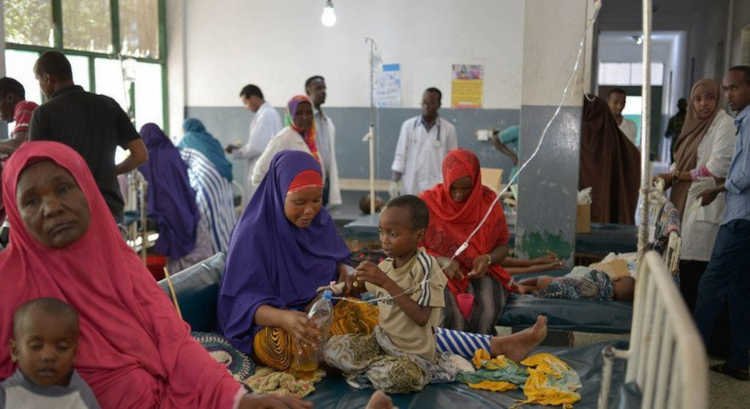
Aid agencies estimate that more than six million Somalis could face acute hunger this year, while nearly two million children under five are already battling malnutrition.
The fuel crisis has now landed on top of that emergency like somebody pouring petrol on a burning building and then acting surprised that the flames became uncontrollable.
Everything in Somalia’s humanitarian system runs on fuel, with food trucks transporting relief supplies from ports to remote communities relying on diesel.
When fuel prices suddenly rise by more than half, humanitarian organisations face a brutal choice between helping fewer people or spending money they no longer have.
In practical terms, some aid agencies are already discovering that the same budget that reached ten communities in January may now only reach five.
This is why the Somalia crisis can no longer be described as a single emergency.
What is happening in Somalia also exposes another uncomfortable truth about how the world works. Somalia did not start the Iran-US-Israel war, yet ordinary Somali families are paying for it every day through inflated fuel prices.
The country also did not create the climate crisis causing repeated droughts across the Horn of Africa, but Somali communities are among those suffering its harshest consequences.
Women and children are carrying the heaviest burden of the crisis, as they often do during emergencies that governments and international institutions fail to prevent, with mothers caring for malnourished children now traveling longer distances to health centres while struggling with rising transport costs and shrinking household food supplies.
The deeper problem is that the world still responds to African emergencies as temporary accidents instead of predictable governance failures that require long-term systems.
Citizens across Africa and beyond should begin demanding to know what concrete plans their governments and regional institutions have for compound emergencies like Somalia’s, where climate shocks, global conflict, and economic vulnerability collide at the same time.
At the institutional level, IGAD and African governments must urgently build a coordinated food and energy emergency system capable of responding to compound crises before they spiral beyond control.
Strategic fuel reserves for humanitarian operations, stronger regional food systems, and long-term investment in climate adaptation can no longer remain conference talking points while millions of people drift deeper into hunger.