





Sudan’s war is claiming children from infancy to adolescence, raising fresh concern over how long the world will keep counting young victims without stopping the violence.
Development Diaries reports that the United Nations Children’s Fund (UNICEF) recently recorded at least 330 children killed or injured across Sudan during the first six months of 2026.
The victims ranged from a two-month-old infant to a 17-year-old, underscoring how deeply the conflict continues to affect children.
Those figures tell a painful story because they cover almost the entire span of childhood. Some of the victims had barely entered the world, while others were only months away from adulthood.
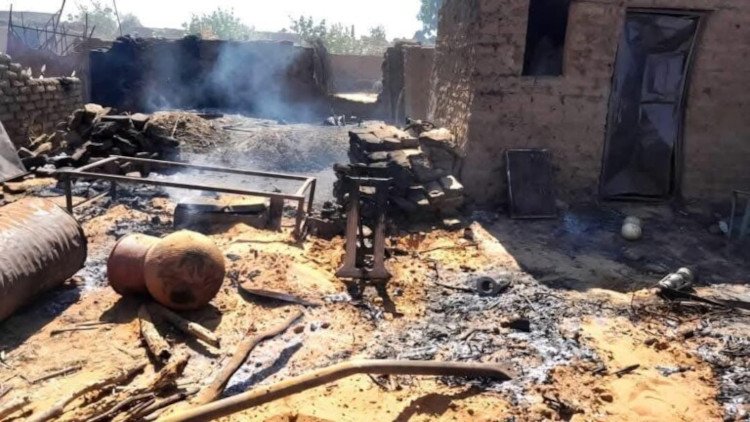
UNICEF says drone attacks accounted for about 60 percent of the reported child casualties, highlighting how increasingly sophisticated weapons are reaching homes, markets and communities where children should have been safest.
The wider humanitarian crisis continues to worsen, with tens of thousands of people killed since the conflict began, about 13 million displaced, and more than 30 million now dependent on humanitarian assistance. Around Al Obeid and other parts of North Kordofan alone, an estimated 500,000 civilians remain at risk as fighting intensifies.
International concern has continued to grow, as the United Nations Human Rights Council recently adopted a resolution condemning the escalating violence by the Rapid Support Forces (RSF) and their allies around Al Obeid.
Condemnation, however, has done little to stop the bombs because statements cannot shield children from drone strikes.
Another concern is that Sudan’s war continues because those driving it have faced too little pressure to change their conduct. As long as the RSF and their external supporters continue military operations without sufficient diplomatic or political consequences, children will remain among the easiest victims of a conflict they neither created nor control.
That failure extends to the institutions expected to protect civilians. The African Union and the United Nations Security Council have repeatedly called for restraint, but neither has secured a ceasefire capable of reducing the violence or guaranteeing safe humanitarian access to communities trapped by the fighting.
International humanitarian law prohibits attacks on civilians and places special protection around children during armed conflict. The Convention on the Rights of the Child, its Optional Protocol on children in armed conflict and the African Charter on the Rights and Welfare of the Child all require children to be protected from the very dangers that now define daily life across large parts of Sudan.
The burden falls most heavily on children because they have almost no ability to escape the conflict around them. Infants cannot flee bombardment; young children cannot negotiate humanitarian corridors; families hiding in North Kordofan cannot outrun drones, while girls continue to face additional risks of sexual violence and exploitation during displacement.
African civil society organisations should continue to press the African Union Peace and Security Council to adopt stronger measures that prioritise an immediate ceasefire and humanitarian access, using UNICEF’s child casualty figures as evidence of the urgency.
The African Union Peace and Security Council should also establish protected humanitarian corridors into North Kordofan and other conflict-affected communities, backed by independent monitoring and clear consequences for any party that obstructs aid or attacks civilians.
As for countries providing military or financial support to the warring parties, they should also make that support conditional on verifiable protection of civilians because every day the war continues without meaningful consequences increases the likelihood that another Sudanese child will become the next statistic.