


Nigeria cannot claim to be fighting its out-of-school children crisis while diverting money meant to educate some of its most vulnerable children to build roads.
Development Diaries reports that the National Commission for Almajiri and Out-of-School Children Education recently denied approving the N8.4 billion road projects captured in its 2026 budget, insisting that the projects were inserted by the National Assembly during the appropriation process.
The commission’s explanation has shifted attention away from whether the money was spent on roads and towards how it got there in the first place.
If its account is accurate, the controversy is no longer about an agency abandoning its mandate but about lawmakers using the budget process to assign road projects to an institution created to educate children who have spent generations outside Nigeria’s formal school system.
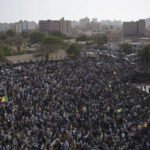
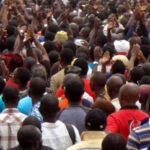
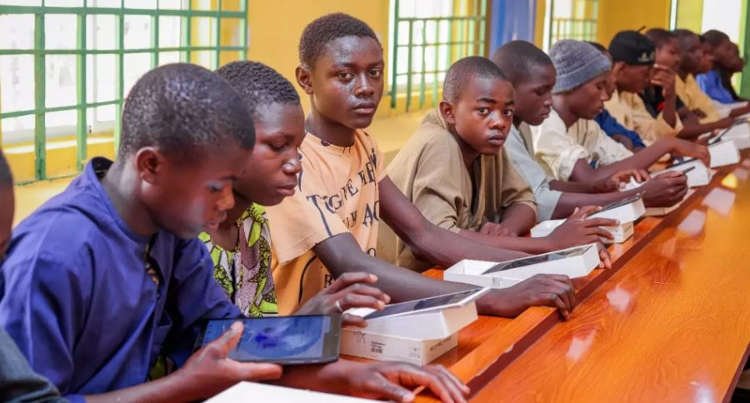
Nigeria is estimated to have between ten and 12 million Almajiri children, most of them living in poverty, outside formal education and surviving largely through street begging while receiving religious instruction.
The commission was established to help bring those children into classrooms, not into road construction budgets. After all, roads may take people to school, but they cannot replace the classrooms the money was originally meant to provide.
That is why the dispute matters beyond one commission because if projects unrelated to an agency’s mandate can be inserted into its budget, public spending gradually becomes less about solving national problems and more about accommodating political interests.
The commission’s public statement is therefore significant because government agencies rarely identify where such changes originate. Instead of remaining silent, it has pointed directly to the National Assembly, exposing the long-standing practice of attaching projects to agencies that were never created to deliver them.
The issue also reaches beyond budgeting into children’s rights. Nigeria’s constitution commits government to providing equal educational opportunities, while the Universal Basic Education (UBE) Act recognises every child’s right to basic education.
Those commitments become difficult to defend when funds established to educate children are redirected to projects that fall completely outside the agency’s purpose.
The burden falls most heavily on children who already face the greatest educational disadvantage, with Almajiri children remaining among the largest groups excluded from formal education, while northern Nigeria also continues to record millions of out-of-school girls whose education is disrupted by poverty, insecurity, and child marriage.
Organisations such as BudgIT have documented budget insertions for years, repeatedly showing how lawmakers redirect agency funds to projects outside their legal mandates. The Almajiri commission controversy shows that even money meant to educate Nigeria’s most vulnerable children is not immune from the practice.
The National Assembly, the Budget Office of the Federation and the Federal Ministry of Education all therefore owe Nigerians explanations.
Citizens should request the specific budget documents identifying the road projects inserted into the commission’s allocation, where those roads are located and which lawmakers sponsored them.
The National Assembly Committee on Education should immediately investigate the commission’s claims and determine whether the road projects fall within its legal mandate.
If they do not, the funds should be restored to Almajiri education in the next supplementary budget, while the National Assembly and the Budget Office should establish safeguards that prevent projects unrelated to an agency’s statutory responsibilities from appearing in future budgets.
Photo source: UNICEF