




Africa is demanding the return of its stolen treasures, but many of the continent’s biggest losses are still leaving through the front door.
Development Diaries reports that the Netherlands and Germany have pledged to return about 2,000 cultural artefacts to Ghana, while the Institute for Security Studies (ISS) has urged the African Union (AU) to broaden its reparations agenda beyond slavery and colonialism.
Around the same period, Cape Verde’s historic World Cup performance also sparked fresh conversations about how development resources are shared across African football.
At first glance, those developments appear unrelated, as one concerns cultural heritage, another focuses on reparations and the third celebrates football. Together, however, they raise the same question about how Africa measures what it has lost, what it is still losing and whether the continent receives fair value for its resources.
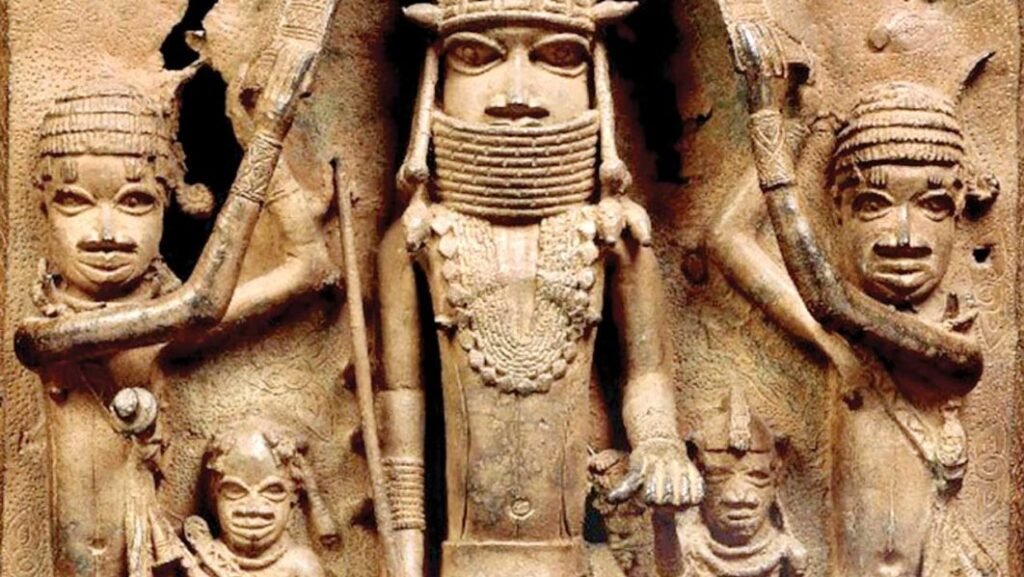
The return of thousands of artefacts to Ghana is an important milestone because every object returning home restores part of a history removed through colonial conquest. Nigeria has witnessed similar returns of the Benin Bronzes in recent years, but the recovery of cultural treasures alone cannot settle a conversation that increasingly extends beyond museum collections.
The ISS argues that Africa’s reparations campaign remains too narrowly focused on slavery and colonialism while paying less attention to the forms of extraction that continue today.
Africa continues to lose value in different ways, as its minerals leave with little local processing, billions of dollars disappear annually through illicit financial flows, African journalism and data help train artificial intelligence systems without compensation, while biological resources shared during global health emergencies have generated commercial benefits that many Africans believe have not been fairly returned to the continent.
Cape Verde’s football success unexpectedly raises a similar question from within Africa because competing against countries with far larger populations and stronger football economies has renewed interest in how the Confederation of African Football (CAF) distributes development resources among member associations.
Success deserves celebration, but it should also encourage scrutiny of whether smaller football nations succeed because the system supports them or despite the system itself.
Those events expose a weakness in Africa’s current approach because the African Union pursues reparations, national governments negotiate the return of stolen artefacts, and CAF manages football development as separate conversations, even though they all concern how Africa’s resources are valued, distributed and protected.
Treating them as isolated issues makes each one easier to ignore than if they formed part of one broader continental conversation about justice and development.
The African Charter on Human and Peoples’ Rights recognises the rights of African peoples to their wealth, natural resources, cultural heritage and development, making it difficult to separate historical injustice from contemporary economic extraction or external exploitation from inequalities within Africa itself.
Young Africans have perhaps the greatest stake in how those conversations evolve because the wealth lost through historical looting, unfair trade, illicit financial flows and unequal development could have financed better schools, hospitals, technology, sports facilities and employment opportunities for the generation expected to build Africa’s future.
Many African scholars have therefore argued that reparations should no longer be treated as a debate about history alone but as a broader conversation that also includes cultural restitution, digital resources, data ownership, ecological justice and the economic structures through which African wealth continues to leave the continent.
African citizens should participate in the AU’s reparations consultations and encourage governments to expand the conversation beyond colonial history to include contemporary forms of extraction.
For Ghanaians, they should also ensure that returned artefacts remain publicly accessible and properly preserved so they benefit future generations rather than disappear into private collections.
On the part of the AU, the continental body should publish a comprehensive reparations framework developed through broad public consultation across the continent, covering historical injustice, cultural restitution, ecological debt, digital resources and data sovereignty.
As for CAF, it should also publish annual reports showing how development funds are allocated and the results they produce across all member associations because fairness within Africa deserves the same attention that Africa demands from the rest of the world.
Photo source: British Museum