




When fuel prices rise in Nigeria, even the cost of breathing sometimes feels higher because almost everything else follows.
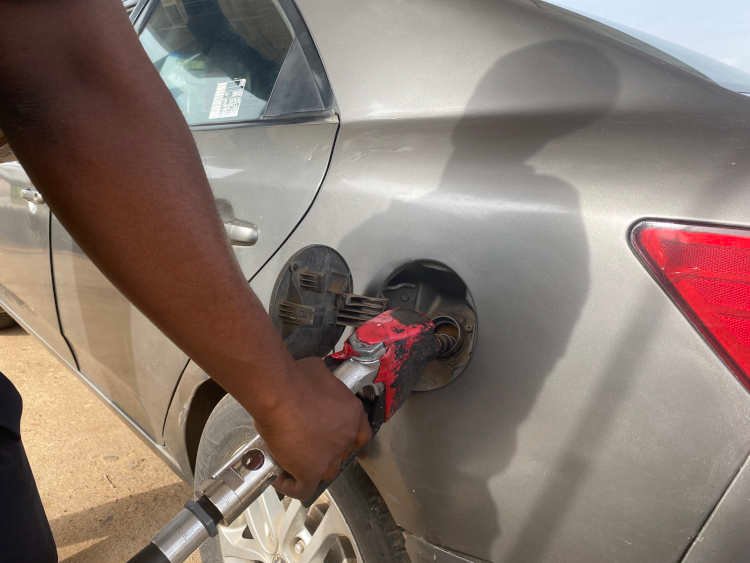
Development Diaries reports that petroleum marketers are pushing for petrol to sell at about N800 per litre as the naira weakened to around N1,400 to the dollar in the parallel market, renewing public debate over the long-term impact of President Bola Tinubu’s removal of fuel subsidy in May 2023.
The subsidy was removed to end a system widely criticised for enriching a few, draining public finances and encouraging corruption. Nigerians were told that market pricing would attract investment, eliminate fuel shortages and free up money for roads, schools, hospitals and other development priorities.
Three years later, many households say the reform arrived, but the promised relief never did because fuel powers almost everything in Nigeria, from generators and public transport to water pumps and small businesses.
That is why every increase in petrol prices quickly finds its way into transport fares, food prices and household expenses, leaving many Nigerians wondering whether inflation now rides commercial buses before everyone else.
The problem is made worse by Nigeria’s continued dependence on imported petroleum products, which leaves fuel prices highly exposed to exchange-rate movements. As the naira weakens, importing fuel becomes more expensive, marketers pass those costs to consumers and households pay the difference.
While subsidy removal may have reduced government spending, it did not reduce the cost of living for ordinary Nigerians because no comparable protection was put in place to cushion the transition.
That was where the reform fell short. Removing the subsidy was not matched by stronger social protection, improved public transport or targeted support for vulnerable households. As living costs continued to rise, the promised safety net failed to keep pace.
The gap also points to the responsibilities of the institutions managing the economy. The Federal Ministry of Finance oversees the government’s fiscal policy, the Nigerian Midstream and Downstream Petroleum Regulatory Authority regulates pricing and licensing within the downstream petroleum sector, while the Central Bank of Nigeria’s exchange-rate policies continue to influence the cost of imported fuel.
The Ministry of Humanitarian Affairs is expected to coordinate social protection programmes, but many Nigerians affected by higher fuel prices have seen little evidence that support has expanded enough to reflect present economic realities.
That raises questions beyond economics. Section 16 of Nigeria’s constitution requires the government to manage the economy in a way that promotes the welfare of citizens. Economic reforms are not unconstitutional simply because they impose hardship, but they become increasingly difficult to defend when the burden falls overwhelmingly on citizens with the least capacity to absorb it while the promised protections remain largely absent.
Not surprisingly, the impact is felt most by people who already spend most of their income on basic survival. Low-income households often have little choice but to spend more on transport while cutting back on food, healthcare or children’s education.
The hardship extends well beyond the cities, as rural communities remain heavily dependent on petrol and diesel for farming, water pumping and local processing because reliable electricity is still unavailable. Women running small trading businesses, restaurants and food-processing enterprises also see their profits disappear as generator and transport costs continue to rise.
Citizens should continue to document how fuel price increases affect transport fares, food prices and household expenses within their communities because those realities provide stronger evidence than official projections. They should also report fuel stations that violate approved pricing guidelines wherever such limits apply.
The Federal Ministry of Finance should publish a comprehensive assessment showing how petrol prices between N700 and N800 per litre affect household incomes across different income groups and use those findings to design a properly funded social protection programme.
Economic reforms are easier for citizens to support when they can see both the benefits and the government’s willingness to protect those who bear the greatest cost of the transition.