


When a government starts deciding who can study abroad, who can flee violence and who can speak freely, citizens should begin to ask whether freedom itself now requires official permission.
Development Diaries reports that Burkina Faso’s military government has approved a decree requiring every Burkinabè seeking higher education abroad, whether on government scholarship or with private family funding, to obtain prior approval from the Ministry of Higher Education.
The decision comes as human rights organisations continue to accuse the country’s armed forces of preventing civilians from leaving towns under jihadist siege, while investigative journalists and government critics remain in detention or face growing restrictions on their work.
The new education policy extends government control beyond publicly funded scholarships into private family decisions. Parents who save for years to send their children abroad must now first secure government approval. For many families, that may feel like discovering that even their children’s future now needs an official stamp before it can board a plane.
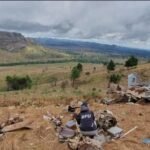
The same pattern appears elsewhere, with Human Rights Watch (HRW) accusing Burkina Faso’s military of preventing civilians from leaving towns surrounded by jihadist fighters, leaving families trapped between armed groups, hunger and prolonged insecurity. At the same time, the junta has faced criticism over the detention of investigative journalists, while civil society organisations have been dissolved and the United Nations human rights office suspended.
Taken together, these developments suggest a government exercising increasing control over how citizens move, learn and communicate. Decisions that once belonged to families, civilians seeking safety or independent journalists now depend increasingly on the state’s approval or tolerance.
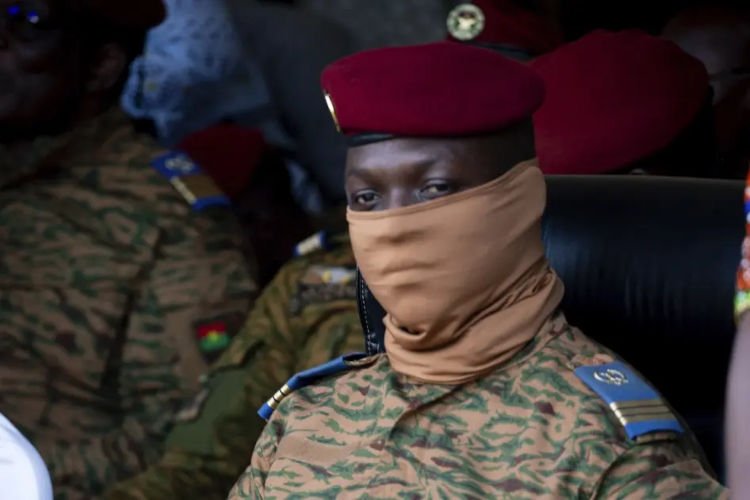
Captain Ibrahim Traoré and his administration are directly responsible for those policies. The Ministry of Higher Education now controls permission for overseas studies, while the military leadership faces questions over restrictions on civilian movement in conflict-affected communities. The detention of journalists has also intensified concerns about the government’s willingness to tolerate independent scrutiny.
Those concerns extend beyond politics into rights protected under African and international law. The African Charter on Human and Peoples’ Rights guarantees freedom of movement and the right to education, while international humanitarian law requires parties to armed conflict to protect civilians. Journalists are equally entitled to liberty and freedom of expression, regardless of whether their reporting is convenient for those in power.
The consequences fall hardest on ordinary Burkinabè. Families that spent years saving for overseas education now depend on official permission before their children can leave. Rural communities trapped by violence have fewer opportunities to escape danger, while women and girls in besieged areas remain especially vulnerable to the risks that accompany prolonged conflict. Journalists and activists also face increasing pressure, making it harder for citizens to know what is happening beyond official statements.
Many observers of governance in the Sahel argue that military governments often justify extraordinary restrictions in the name of national security. The concern is that temporary emergency measures gradually become the normal way of governing until asking for permission becomes easier than exercising rights citizens once considered ordinary.
Burkinabè civil society organisations and diaspora groups should document the study-abroad restrictions, allegations of blocked civilian evacuations and the detention of journalists and submit those records to relevant United Nations human rights mechanisms.
ECOWAS should place civic freedoms alongside security concerns in its engagement with Burkina Faso by pressing for the protection of journalists, reviewing the study-abroad decree and seeking an independent assessment of allegations that civilians have been prevented from leaving conflict zones.
The United Nations Human Rights Council should also request an urgent report on humanitarian access in northern Burkina Faso because protecting civilians begins with ensuring they can reach safety.
Photo source: HRW