



The Nigerian government’s reversal of the proposed increase in examination fees charged by the West African Examinations Council (WAEC) and the National Examinations Council (NECO) offers relief to millions of Nigerian families, but it also exposes how major education decisions can be announced without the transparency citizens deserve.
Development Diaries reports that the Federal Ministry of Education recently reversed the proposed fee increase after widespread public criticism, allowing candidates to continue paying the previous rates.
The decision comes at a time when many households are already choosing which bills can wait until tomorrow, and examination fees are rarely one of them because missing the WAEC or NECO examination can cost a child an entire academic year.
The reversal may have ended the immediate controversy, but it did not answer the questions that created it. Parents deserve to know why the increase was proposed, what costs justified it, how the figures were calculated and what has now changed to make the reversal possible.
Those explanations matter because they determine whether Nigerians see the proposal as a necessary response to rising costs or simply a policy that disappeared after public pressure.
The Federal Ministry of Education should explain the basis for the proposal, while WAEC and NECO should publish the major costs of conducting public examinations. Nigerians also deserve a long-term financing plan that reduces the need for sudden fee adjustments affecting millions of candidates.
Nigeria’s constitution commits government to expanding educational opportunities for its citizens. Families cannot plan confidently when the cost of examinations that determine whether children complete secondary school can change without adequate public explanation.
The uncertainty falls hardest on low-income households that already struggle to pay school levies, uniforms, textbooks and transport. An unexpected increase in examination fees can force parents to delay registration, decide which child will sit for the examinations or keep candidates out altogether. Girls from poorer families often face an even greater risk of dropping out when education becomes more expensive.
Predictable examination financing benefits everyone. Parents can prepare, schools can advise families with confidence and governments can avoid turning every fee review into a public controversy.
Parents, civil society organisations and education advocates should demand a public explanation of how examination fees are determined and encourage the Ministry of Education, WAEC and NECO to publish the framework guiding future reviews.
The ministry should also establish a transparent examination financing policy explaining when fees may be reviewed, what factors justify any increase and how students from low-income families will be protected from being priced out of public examinations.
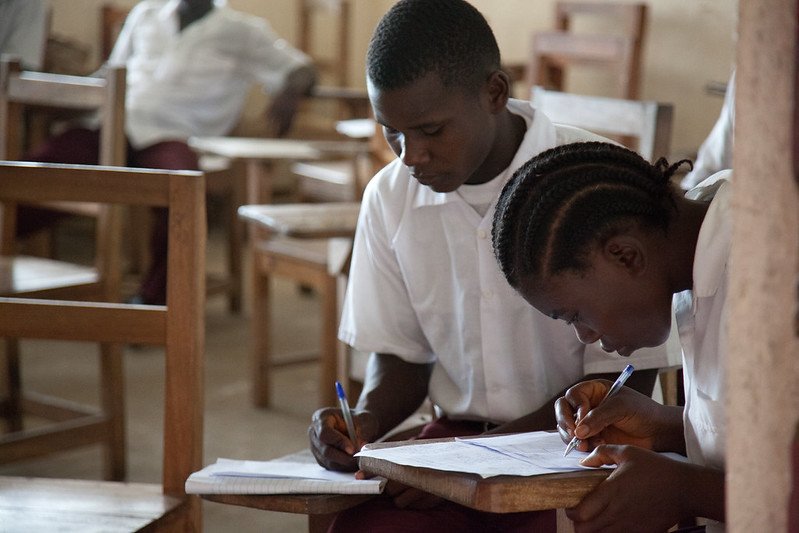
Photo source: Syracuse University