





Nigeria’s hospitals may look busy and functional from the outside, but behind many pharmacy counters lies a dangerous reality that too many citizens only discover when they urgently need medication.
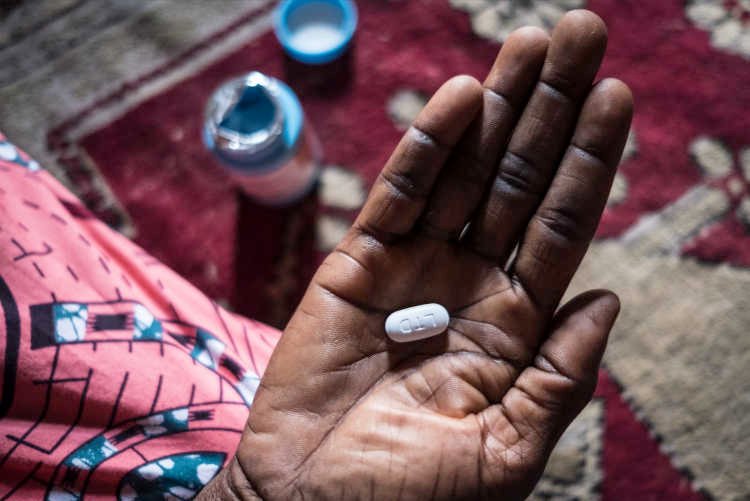
Development Diaries reports that nearly 70 percent of medicines consumed in Nigeria are imported, including many of the country’s most critical drugs such as antiretrovirals, insulin, chemotherapy medication, and second-line tuberculosis treatments.
In practical terms, this means the survival of millions of Nigerians depends heavily on international supply chains that can be disrupted by foreign exchange crises, shipping delays, wars, customs bottlenecks, or global health emergencies far beyond the country’s control.
For example, inside Lagos Island General Hospital, a patient searching for a specific HIV medication may receive it today, but nobody can confidently promise it will still be available next month because the drug’s journey to that pharmacy often begins in factories in India, passes through European brokers, survives Apapa port congestion, and eventually arrives after weeks or months of delays that Nigerians have sadly become used to calling ‘normal’.
For many patients, treating illness in Nigeria has quietly become an international logistics exercise where survival sometimes depends less on the doctor’s prescription and more on whether cargo containers successfully escaped port traffic and foreign exchange wahala.
The issue became even more urgent last week after the World Health Organisation (WHO) declared the Ebola outbreak in Uganda and the Democratic Republic of Congo a Public Health Emergency of International Concern.
The current Bundibugyo strain involved in the outbreak has no approved vaccine, while treatment options remain limited, and any major response would require rapid access to diagnostic kits, protective equipment, supportive medication, and emergency medical supplies.
Unfortunately, most of those items would still need to be imported into Nigeria through the same fragile supply systems that regularly struggle during ordinary times.
Nigerians already saw how this story plays out during the Covid-19 pandemic when countries with strong pharmaceutical manufacturing sectors protected themselves first, while countries dependent on imports scrambled desperately for supplies in a crowded global market.
That experience exposed the fact that Nigeria may be Africa’s largest economy, but when it comes to medicine production, the country still behaves like a customer waiting outside somebody else’s shop.
The troubling part is that Nigeria is not starting from zero, as the country has more than 100 licenced pharmaceutical manufacturers, with the National Agency for Food and Drug Administration and Control (NAFDAC) earning international praise for improving drug regulation and fighting fake medicines.
Nigeria also has a National Drug Policy and a growing healthcare market. What is missing, however, is the political seriousness required to build a strong domestic pharmaceutical industry capable of reducing dependence on imports.
Instead, the system has quietly rewarded importation for years because importing drugs is often easier, faster, and more profitable than manufacturing them locally.
The situation also raises serious rights questions because Nigeria’s commitments under the African Charter and global health agreements recognise healthcare as a right.
Citizens should begin asking difficult questions at public hospitals and pharmacies about which medicines are regularly out of stock, how long shortages last, and why those shortages are not publicly tracked in a transparent national database.
At the institutional level, the Federal Ministry of Health must move beyond speeches and launch a serious pharmaceutical manufacturing development plan backed with actual funding, industrial incentives, and measurable targets.
For its part, NAFDAC should create faster approval pathways and lower registration costs for locally manufactured essential medicines to encourage domestic production. If the country can prioritise local content in sectors like oil and gas, citizens have every right to ask why medicines affecting life and death are still treated differently.
Photo source: WHO