


Senegal’s growing debt challenge has become even harder to manage because the two leaders elected on the same reform ticket are now heading in different political directions.
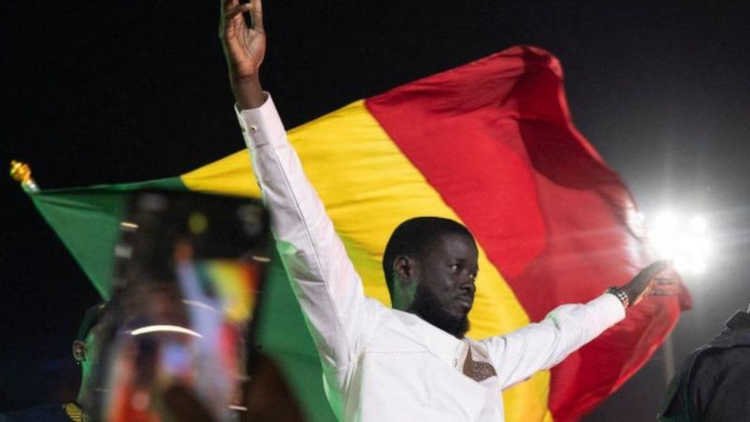
Development Diaries reports that President Bassirou Faye is preparing to establish a new political party, ending the political partnership with former Prime Minister Ousmane Sonko and the Pastef movement that carried both men to power in 2024 on promises of transparency, anti-corruption and economic reform.
Faye emerged as president after Sonko, disqualified from contesting the election, threw his weight behind him and asked supporters to treat the victory as a shared mandate.
Plans for separate political platforms now place that mandate under pressure because every major reform requiring cooperation between the presidency and parliament risks becoming another casualty of a rivalry that did not exist on the campaign trail.
Government cannot afford divided attention while trying to rebuild confidence in public finances. Senegal is selecting a financial advisor and negotiating a fresh programme with the International Monetary Fund (IMF) after its previous 1.8-billion-dollar arrangement was suspended following revelations that the previous administration concealed part of the country’s debt.
President Faye controls the executive, while Sonko now leads the National Assembly and remains the country’s dominant political force within Pastef and parliament. Budget reforms, borrowing decisions, economic legislation and negotiations with international lenders become more difficult when the country’s two most powerful leaders are simultaneously governing together and preparing to compete against each other.
Former president Macky Sall’s administration also remains central to this accountability story because concealed public debt did not disappear with the change of government.
That undisclosed borrowing narrowed the choices available to the new administration and increased the importance of political stability at precisely the moment unity has become more fragile.
Senegal’s constitution and the African Charter on Human and Peoples’ Rights recognise citizens’ right to participate in government, and elections are the clearest expression of that participation.
Voters endorsed a reform partnership with the expectation that it would govern as one, making political competition between its principal architects more than an internal disagreement because it directly affects the implementation of the programme citizens approved at the ballot box.
The consequences of prolonged political rivalry will not fall equally across society. Public debt limits government spending long before it reaches cabinet meetings, and delayed reforms often translate into fewer jobs, slower economic growth and reduced investment.
Low-income households, unemployed graduates, small businesses waiting for economic recovery and the young Senegalese who powered the 2024 political transition usually absorb those costs long before political leaders do.
Analysts of Senegalese politics have repeatedly warned that governing coalitions often begin to weaken once electoral victory gives way to difficult economic decisions.
Senegal now faces the additional burden of navigating a debt crisis while the partnership elected to confront it becomes increasingly divided, leaving citizens to wonder whether the reform agenda is still the government’s highest priority or merely the promise that won an election.
Senegalese civil society organisations should demand greater transparency around negotiations with the IMF by requesting public disclosure of the broad policy commitments the government intends to make before any agreement is concluded.
President Faye and National Assembly leader Sonko should also establish a governing framework that keeps economic reforms moving regardless of their political differences.
Senegal’s debt burden will not pause until political disagreements are settled, and neither should the responsibility to deliver the reforms voters elected them to implement.