



Every election in Zambia promises that copper will improve citizens’ lives, but voters cannot judge that promise when they do not know who is shaping the story behind the country’s biggest industry.
Development Diaries reports that Global Witness has published an investigation alleging that First Quantum Minerals and its associates operated a long-running influence campaign in Zambia by funding political interests and promoting favourable media coverage without disclosure.
The organisation alleged that by 2026, the website Open Zambia had published nearly 60 stories promoting the company’s activities, suggesting an ongoing paid relationship, while newspapers and popular online platforms also carried favourable content without informing readers that it had allegedly been sponsored.
First Quantum Minerals rejected the allegations, saying it would not be surprising for Zambia’s largest taxpayer and employer to receive significant media attention, given the volume of stories those outlets publish each month.
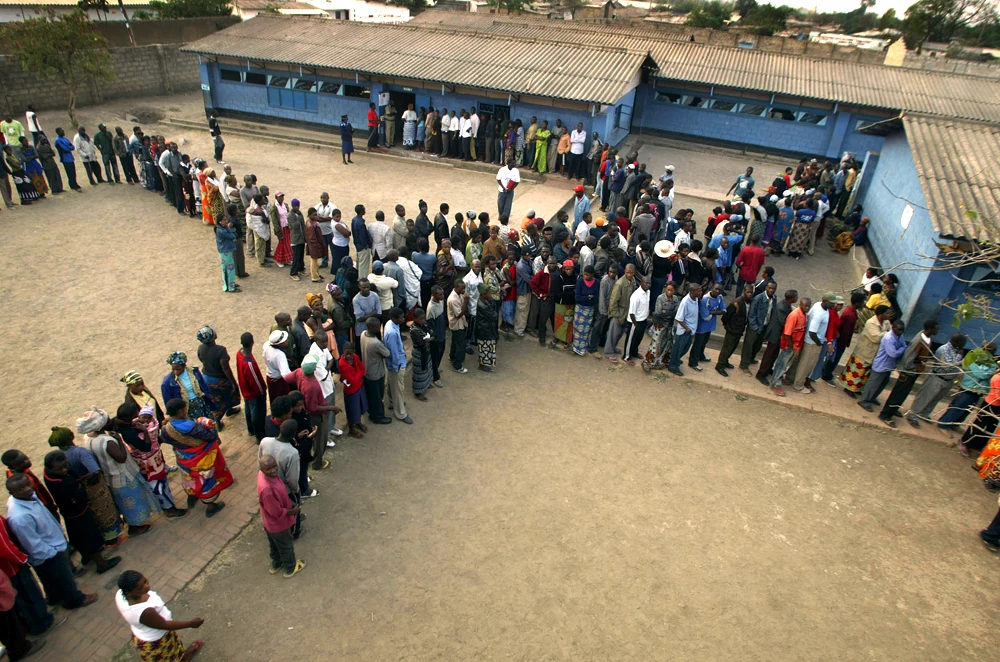
The report surfaced only weeks before Zambians head to the polls on 13 August after the Electoral Commission of Zambia released the campaign timetable for presidential candidates.
Copper accounts for about 74 percent of Zambia’s export earnings and roughly one-quarter of government revenue.
That means the rules governing the mining sector shape far more than corporate profits. They influence how much government has available to invest in schools, hospitals, roads and other public services.
The issue is whether Zambia’s electoral and media systems allow citizens to know who is financing political influence and whether the information reaching voters reflects journalism, advertising or corporate public relations.
Current laws offer little reassurance, as Zambia has no effective framework requiring media organisations to disclose sponsored editorial content, no enforceable limits on campaign spending and no system requiring political parties to publish the identities of major donors or audited accounts that citizens can independently examine.
When those safeguards are missing, readers cannot easily tell whether they are consuming independent reporting or carefully packaged persuasion.
Although Zambia repealed criminal defamation in 2022, rights groups say the Cyber Crimes Act enacted in 2025 has increasingly been used against critics and opposition figures.
That creates an uneven environment where critical voices face growing legal pressure while allegations of undisclosed political influence attract little regulatory attention.
Reports indicate that President Hakainde Hichilema campaigns with access to state resources, including government aircraft, while opposition candidates travel largely by road across one of Africa’s largest countries.
Distance quickly becomes a campaign-finance issue when one candidate can cross provinces in hours while another spends days on the same journey.
The Electoral Commission of Zambia, the Independent Broadcasting Authority, the Zambia Revenue Authority, the Registrar of Societies, the Financial Intelligence Centre and the Zambia Police Service all have roles in ensuring that elections remain transparent, campaign financing is properly scrutinised and public institutions remain accountable.
Zambia’s constitution guarantees freedom of expression under Article 20 and requires elections to be free and fair under Article 45.
The country is also bound by the African Charter on Democracy, Elections and Governance and the African Union Convention on Preventing and Combating Corruption, both of which require transparency in political financing and credible electoral processes.
The consequences are felt most sharply in mining communities, with families living in the Copperbelt and North-Western Province bearing the environmental and health costs associated with copper extraction, while rural voters, who rely heavily on the media for election information because candidates rarely reach them directly, are especially vulnerable when political messaging is presented as independent journalism.
Women, children and unemployed young people living in those communities ultimately carry the greatest burden when public debate becomes less transparent than the minerals beneath their feet.
Media organisations, civil society groups and voters should therefore document and publicly identify outlets carrying sponsored political or corporate content without disclosure while requesting campaign finance returns submitted to the Electoral Commission before polling day.
The Independent Broadcasting Authority should require licensed broadcasters and media outlets to publish paid-content disclosures, the Electoral Commission should make campaign finance returns publicly accessible, and the Zambia Revenue Authority should regularly publish company-by-company mining tax contributions to allow citizens to independently assess how much the country’s most valuable resource is actually contributing to national development.
Copper should finance Zambia’s future, not quietly shape the politics deciding how that future is governed.