




African leaders have spent years signing trade agreements and posing for summit photographs about free movement, but for millions of ordinary citizens trying to cross borders to do business, the continent still behaves like a neighbourhood where everybody claims to be family until somebody arrives at the gate without the right stamp on their passport.
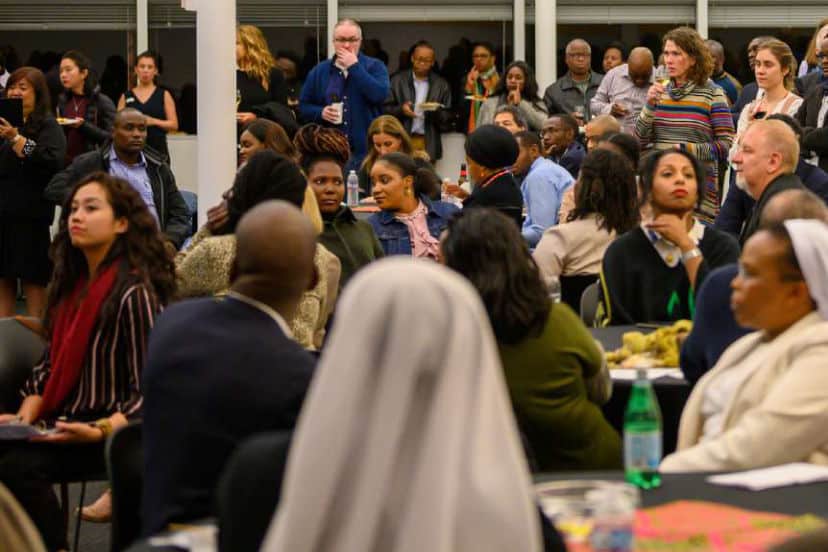
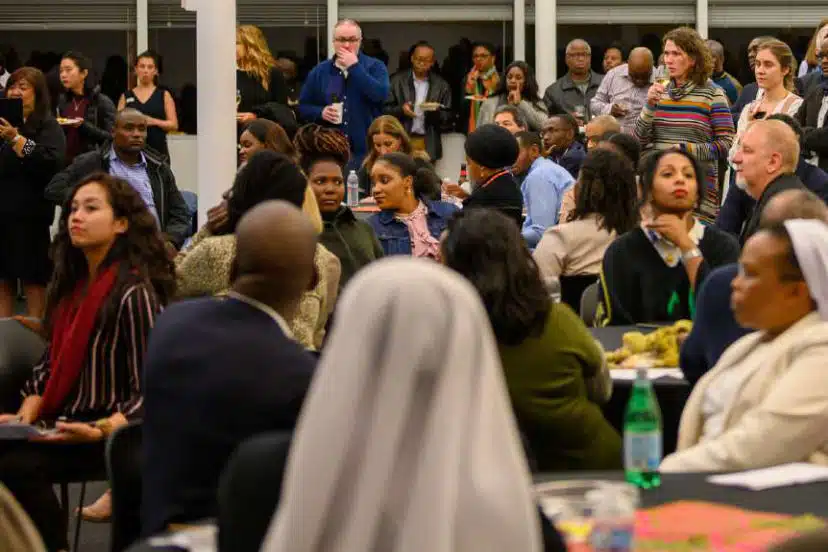
Development Diaries reports that the Biashara Afrika 2026 summit recently ended in Lomé, Togo, with the West African country announcing visa-free entry for all African nationals, effective 18 May.
In a continent where many African traders can enter Europe more easily than neighbouring African countries, the announcement landed like somebody finally remembering what the African Continental Free Trade Area (AfCFTA) was supposed to mean in the first place.
African trade summits often produce long communiqués filled with technical words and phrases like ‘framework’, ‘roadmap’, ‘stakeholder engagement’, and ‘technical harmonisation’, which usually translates into ordinary citizens waiting years for changes they were promised immediately.
This time, however, Togolese authorities made a decision that required no additional committee meeting for implementation because an African traveller arriving in Lomé after the 18th of May would simply enter without the familiar border drama of visa restrictions.
The AfCFTA, launched in 2021, was designed to create the world’s largest free trade area, connecting 55 countries and more than 1.3 billion people.
Tariff reduction agreements may look impressive inside conference halls, but small traders moving goods between neighbouring countries often face endless customs delays, multiple checkpoints, unofficial payments, confusing paperwork, and immigration restrictions that make regional trade feel less like continental integration and more like trying to smuggle yourself through your own neighbourhood.
That reality was one of the central issues discussed at the summit because African governments are gradually discovering that trade agreements mean very little when the people expected to trade cannot move easily.
The summit also focused heavily on the concerns that many small businesses cannot even afford to benefit from the opportunities politicians keep announcing.
An entrepreneur in Accra trying to export clothes to Lagos may technically enjoy reduced tariffs under AfCFTA rules, but access to trade still depends on financing, banking systems, transportation costs, and payment platforms that many small businesses cannot easily access.
In many cases, the problem is whether ordinary Africans can afford to participate in the trade that politicians keep celebrating.
This is where institutions like the African Export-Import Bank, commonly known as Afreximbank, entered the conversation through discussions around PAPSS, the Pan-African Payment and Settlement System designed to allow African countries trade using local currencies instead of constantly depending on the US dollar.
The idea sounds technical until ordinary people remember how many African businesses lose money simply because a trader in Ghana may need dollars to buy from Nigeria, while a Nigerian importer may need euros to settle another transaction elsewhere.
PAPSS reportedly processed billions of dollars in transactions in 2025, but experts at the summit acknowledged that the system still operates far below the scale required for the continent’s growing trade ambitions.
The people most affected by these barriers, however, are the female cross-border trader carrying food items between Lomé and Accra, the small textile seller navigating border harassment, and the informal traders constantly paying unofficial levies at checkpoints.
For many women traders, especially, crossing borders in Africa still means navigating extortion, intimidation, and systems designed more for large corporations than for ordinary people trying to survive through small-scale commerce.
That is why Togo’s visa-free announcement matters beyond symbolism because it demonstrates what continental integration looks like when governments stop treating free movement as a future ambition and begin treating it like a practical policy decision.
The larger challenge now is whether other African governments will follow with equally concrete actions or continue producing summit declarations that sound inspiring until citizens arrive at border checkpoints and discover the old system still waiting for them.
Citizens should begin asking their governments direct questions about whether they have adopted the AfCFTA Simplified Trade Regime meant to support small-scale traders, especially women operating in informal cross-border markets.
Africans should also demand clear timelines on free movement policies because continental trade cannot succeed while Africans themselves remain trapped behind visa walls built by fellow African governments.
At the institutional level, the AfCFTA secretariat must begin publishing visible compliance records showing which countries are genuinely implementing free movement commitments and which are still slowing the process down behind diplomatic language.
After all, a continent cannot keep calling itself one market while its citizens still need permission slips to visit one another.
Photo source: ADN