



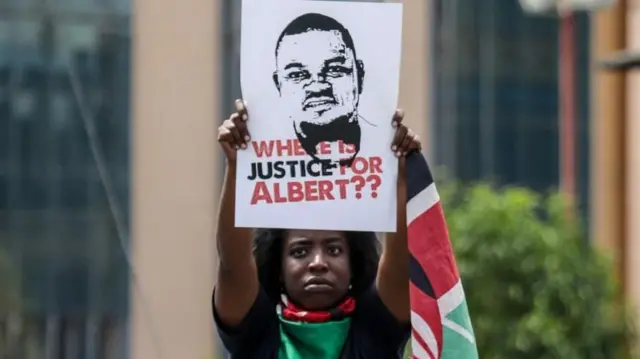
Deaths in police custody continue to test Kenya’s promise that no one, including the police, is above the law.
Development Diaries reports that proceedings have advanced in the murder trial over the death of Albert Ojwang, the Kenyan teacher and blogger who died in police custody, with prosecutors alleging that police officers orchestrated the fatal assault.
The Independent Policing Oversight Authority (IPOA) also told a Nairobi court that it recovered deleted CCTV footage reportedly showing two unidentified men wearing caps entering the station, evidence suggesting that attempts may have been made to erase crucial records.
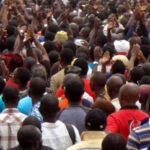
The trial comes as Kenya marks the second anniversary of the Gen Z protests, during which Al Jazeera estimates that more than 120 people have been killed.
Ojwang’s death represents a test of whether an African government can hold its own security agencies accountable when those entrusted with protecting citizens are accused of taking their lives.
The trial also arrives against the backdrop of a broader generational confrontation unfolding across Africa. What began in Kenya in 2024 as protests against the Finance Bill quickly expanded into nationwide demonstrations over the rising cost of living, unemployment, corruption and police brutality.
Those grievances have not disappeared, with young Africans still demanding accountability while governments increasingly respond with arrests, military deployments and lethal force instead of reforms.
Kenya is not alone. In Senegal, young voters who helped bring a new government to power are now confronting a worsening debt crisis. In Uganda, young opposition supporters continue to face abductions and military trials. In Tanzania, post-election violence left scores dead. Across these countries, young Africans demanding accountability are increasingly met with arrests, intimidation and deadly force instead of meaningful reforms.
The case exposes failures in police accountability and governments’ response to the economic frustrations driving youth protests. Oversight institutions remain weak, prosecutions of security officers remain rare, and the underlying causes of public anger, including unemployment, inequality and the rising cost of living, receive far less urgency than crowd-control operations.
Responsibility rests with Kenya’s National Police Service, the Independent Policing Oversight Authority (IPOA), the Office of the Director of Public Prosecutions and the political leadership that determines how security agencies respond to public demonstrations.
Kenya’s constitution guarantees the right to life under Article 26 and the right to assemble, demonstrate and present petitions peacefully under Article 37.
Those protections are equally reinforced by the African Charter on Human and Peoples’ Rights. A death in police custody strikes directly at the first right, while excessive force against peaceful demonstrators undermines the second.
The outcome of the Ojwang trial will indicate whether those constitutional guarantees carry real consequences when state actors are implicated.
The burden of these confrontations falls overwhelmingly on young people with the fewest economic opportunities. Many of those killed or injured during the Gen Z protests came from low-income communities where unemployment remains highest.
Young women marched alongside young men and faced the same dangers, while families, particularly mothers, continue to search for answers about relatives who never returned home.
Citizens should attend court proceedings where possible, document developments responsibly and preserve public attention on the case, while youth organisations across Africa should build shared, cross-border records of protest-related deaths, investigations and prosecutions so that victims are not forgotten once public attention shifts.
The Independent Policing Oversight Authority should publish a comprehensive update on investigations into protest-related deaths between 2024 and 2025, while the African Commission on Human and Peoples’ Rights should produce a regional report tracking protest-related killings and accountability efforts in Kenya, Uganda and Tanzania.
Photo source: EPA