




This year’s Africa Day speeches celebrated unity and open borders across the continent, but African migrants were still being chased, threatened, and killed in South African streets, exposing how African unity often sounds stronger in conferences than in everyday life.
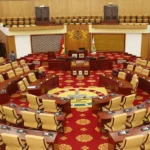
Development Diaries reports that while President John Mahama of Ghana stood in Accra on 25 May announcing visa-free entry for Africans into the West African country, many African migrants in parts of South Africa were spending the same period hiding inside shops, locking their doors early, or wondering whether another protest would suddenly turn violent.
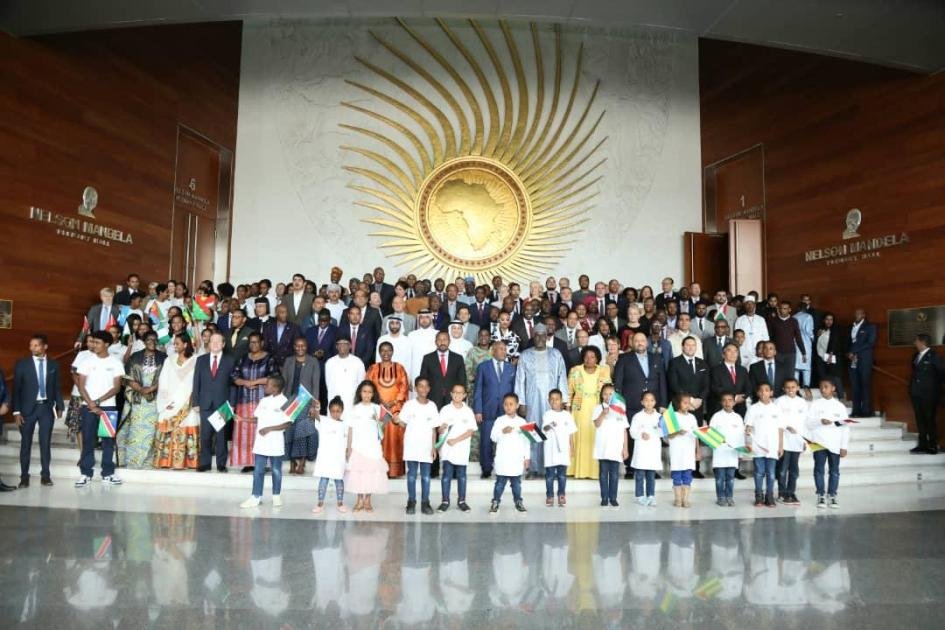
Mahama’s announcement carried strong symbolism, as Africa Day marks the founding of the Organisation of African Unity (OAU) in 1963, the same Pan-African dream that later produced the African Union and the African Continental Free Trade Area (AfCFTA).
The announcement quickly became popular online because many Africans are tired of a continent where travelling to Europe sometimes feels easier than travelling to another African country. Citizens celebrated the idea of Africans entering Ghana without expensive visa processes, humiliating embassy appointments, or endless paperwork that often treats Africans like outsiders in Africa itself.
However, while those celebrations were happening online, another reality was unfolding in South Africa.
In Durban, a Cameroonian shop owner who has lived in South Africa for almost two decades described how anti-migrant protesters stormed his business area, scared customers away, and told him to leave the country.
Human Rights Watch (HRW) documented the incident as part of a broader wave of anti-migrant hostility that has already left several African migrants dead since March this year.
What Africa Day is and what it is not
Africa Day has always been filled with powerful language about solidarity, unity, liberation, and continental identity. Every year, governments release beautiful statements about African brotherhood, economic integration, and shared destiny, with leaders appearing at podiums promising a future where Africans work together instead of treating one another like foreigners.
The problem is that Africa Day itself is mostly symbolic, as it creates speeches, declarations, and social media graphics, but it does not automatically create consequences when African governments fail to protect African citizens from other African countries.
That is why Ghana can announce visa-free access while South Africa continues struggling with recurring anti-migrant violence without facing serious continental penalties.
The African Union, the African Commission on Human and Peoples’ Rights, and member states can continue issuing statements, holding meetings, and expressing concern over xenophobic violence, but without binding enforcement mechanisms or consequences strong enough to compel accountability, governments accused of failing to protect African migrants can simply absorb the criticism and continue as before.
That gap is becoming harder to ignore because many African citizens are beginning to notice that Pan-African unity often becomes loudest during ceremonies and quietest when migrants are attacked in real life.
The mechanism that does not exist
Ghana recently requested that South Africa’s xenophobic violence be placed on the agenda of an upcoming African Union meeting, and under the current continental structure, that request is already considered a major diplomatic step.
But that reality also reveals the weakness inside the system.
The African Union can debate the attacks, issue statements, and request explanations through its human rights bodies, but because these institutions still lack strong enforcement powers comparable to systems in parts of Europe or the Americas, governments accused of failing to protect African migrants can receive continental criticism and continue operating almost exactly as before.
That is why anti-migrant violence in South Africa has become a repeating story rather than a shocking exception, with civil society groups documenting years of harassment, evictions, workplace discrimination, police extortion, and violence targeting African migrants.
Economic reality underneath the unity rhetoric
South Africa’s xenophobic violence cannot be separated from the country’s economic crisis because unemployment remains dangerously high, especially among young people.
Similarly, poverty and inequality continue to shape daily life three decades after apartheid officially ended, leaving many citizens frustrated, exhausted, and angry about an economy that still excludes millions.
So, it is not surprising that in an environment like this, migrants often become easy political targets because they are visible and usually lack strong political protection.
That is why Africa Day speeches alone cannot solve this problem.
System analysis
What is failing here sits inside Africa’s continental accountability structure itself.
The African Union was originally built around the principle of non-interference in member states’ internal affairs. Historically, that principle protected African countries from external domination and political interference. But decades later, the same structure now limits the continent’s ability to respond strongly when member states violate the rights of African citizens from neighbouring countries.
In practical terms, Africa has continental institutions strong enough to document problems but often too weak to enforce meaningful consequences.
South Africa also carries direct responsibility because condemning xenophobic violence without consistently prosecuting perpetrators sends a dangerous message that attacks against migrants may generate public outrage and media attention without leading to serious punishment.
The wider international community is not free from responsibility either because South Africa continues to receive investment praise for economic stability, while many of the structural inequalities feeding anti-migrant tensions remain unresolved.
Gender and equity lens
Female migrants often face xenophobia, economic hardship, and gender-based violence simultaneously, making them among the most vulnerable during anti-migrant crackdowns.
It is understood that many struggle with blocked access to clinics, housing discrimination, workplace abuse, and fear of reporting violence because of immigration complications. Migrant children also suffer heavily through school exclusion, bullying, and interrupted education.
For migrant families, xenophobia shapes where they sleep, how safely they move, whether they can access healthcare, and whether their children feel welcome in school classrooms.
Making the right demands
African citizens may now need to start demanding more from Africa Day than speeches and hashtags. Governments should not be allowed to celebrate African unity publicly while remaining silent or ineffective when Africans are attacked elsewhere on the continent.
Citizens can pressure their ministries of foreign affairs to take stronger positions against anti-migrant violence instead of hiding behind generic statements about unity. Ghana’s decision to formally raise the issue at the African Union already shows that diplomatic pressure is possible when governments choose to act.
At the continental level, the African Union may also need to move beyond expressions of concern and begin to build enforceable accountability systems that are capable of responding when member states fail to protect African citizens living within their borders.
Photo source: African Union