




Senegal’s political crisis is being sold to citizens like a story of betrayal between two powerful allies, but beneath the rallies, speeches, and emotional social media battles sits a much harder reality.
Development Diaries reports that Senegal recently entered a fresh political crisis after President Bassirou Faye dismissed Prime Minister Ousmane Sonko, only for Sonko to emerge days later as Speaker of the National Assembly.
The dismissal exposed a deeper disagreement over Senegal’s economic direction, particularly around fuel subsidies, International Monetary Fund (IMF) conditions, and how the country should respond after discovering billions of dollars in previously hidden debt.
The governance argument was packaged publicly as political betrayal, and that gap between what happened and what citizens were told happened is itself becoming part of the democratic problem.
1. Argument Was About Whether to Raise Fuel Prices
Senegal’s Finance Minister reportedly requested that Sonko approve an increase in domestic fuel prices to reduce growing fiscal pressure. It is understood that the subsidy programme currently costs Senegal around two billion dollars annually and has become increasingly difficult to sustain under current oil prices and financing constraints.
Sonko reportedly rejected the proposal, and that disagreement became one of the major triggers behind his removal.
But many citizens of the country, reacting emotionally online, were discussing loyalty, betrayal, and political rivalry without fully understanding that the crisis was also about whether transport fares, cooking gas prices, and electricity costs could soon rise for millions of households.
2. IMF Programme Has Been Suspended
Senegal’s economic pressure did not suddenly appear this month, as the IMF suspended the country’s $1.8 billion loan programme after revelations that the previous Macky Sall administration had concealed approximately $13 billion in public debt.
That suspension removed a major source of budget financing at a time when Senegal was already under heavy economic strain. Governments facing such situations usually end up choosing between painful options such as subsidy cuts, higher taxes, reduced public spending, or increased borrowing.
None of those choices remains inside economic reports for long because citizens eventually meet them through higher food prices, transport costs, electricity bills, and shrinking household income.
The disagreement between Sonko and the president reportedly centred partly on how Senegal should manage this pressure and how quickly citizens should absorb the consequences. Unfortunately, the households most affected by either decision were never meaningfully consulted before the disagreement escalated into a constitutional and political crisis.
3. Parliamentary Speaker Election Is Constitutionally Legitimate
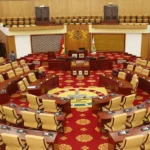
Only days after leaving office as prime minister, Sonko emerged as Speaker of Senegal’s National Assembly. Legally, the move remains constitutional because the president has the authority to dismiss a prime minister while parliament retains the authority to elect its leadership.
Since Pastef controls the legislature, lawmakers elevated Sonko into one of the country’s most powerful institutional positions.
However, the political consequences are enormous because the man removed by the president now controls much of the parliamentary machinery needed for legislation, committee assignments, budget approvals, and oversight activities.
Senegal’s political structure now risks resembling two drivers struggling over the same steering wheel while citizens remain trapped inside the vehicle, hoping it does not crash before reaching its destination.
There is also no clear precedent in Senegal’s constitutional history for this exact arrangement, meaning the country is entering uncertain political territory with direct consequences for governance and service delivery.
4. Youth Coalition That Built Both Men Is the Civic Casualty
Much of Pastef’s political strength came from young Senegalese citizens who believed the movement represented a break from old political culture. Many voters rallied behind both Faye and Sonko because they symbolised accountability, generational change, and resistance to the previous administration.
The current crisis is exposing the weakness that often emerges when political movements depend heavily on personalities instead of durable institutional systems, because once relationships between powerful figures collapse, the movement itself begins to struggle to contain the damage.
5. Citizens Most Affected Have Least Voice in Resolution
Young voters who mobilised massively during the 2024 elections were voting for reform and better governance, not for endless elite conflict over subsidy policy and fiscal management. Many are now watching the political coalition they trusted begin to fracture under the pressure of governance responsibility, economic constraints, and internal disagreement.
The Senegalese households most vulnerable to the current crisis are citizens dependent on subsidised fuel, public sector salaries, social protection programmes, and an economy already under strain.
Young people searching for jobs, women operating informal businesses, rural agricultural communities, and families relying on government support all stand to absorb the consequences of whichever economic decision eventually emerges from the crisis.
The people’s rights
Article 13 of the African Charter guarantees citizens the right to participate freely in the government of their country, but meaningful participation becomes difficult when economic decisions affecting millions are discussed mainly within elite political circles while citizens receive simplified political narratives instead of clear explanations about the actual policy choices at stake.
A constitutional crisis driven partly by fuel subsidy disputes, IMF conditions, and debt management should not be explained to citizens only through emotional political framing.
Gender and Equity Lens
Women are also likely to experience the effects of the crisis more sharply because increases in fuel prices directly affect cooking gas expenses, transport costs, household food prices, and informal economic activity where many women earn income.
Women working within Senegal’s public sector also face risks tied to delayed salaries and weakened government financing, while girls whose education depends on functioning social programmes may face disruptions if prolonged political instability further weakens public spending.
What should happen now?
Citizens should demand clear public information about the economic choices driving Senegal’s political crisis, including the proposed fuel price scenarios, IMF conditions, debt management options, and the likely welfare consequences attached to each path.
This information should not remain trapped inside elite government discussions because citizens cannot meaningfully evaluate political decisions when they are denied the economic facts shaping those decisions.
Before any new government arrangement is fully stabilised, Senegal’s National Assembly should also convene a public parliamentary session focused specifically on the country’s fiscal situation, including publication of the Finance Ministry’s subsidy analysis, IMF negotiations, and debt management strategy.
Citizens expected to carry the consequences of these decisions deserve access to the information informing them.
Photo source: HRW