


The Democratic Republic of the Congo (DRC) cannot stop the world’s fastest-growing Ebola outbreak while the health workers expected to contain it are leaving because they have not been paid.
Development Diaries reports that the World Health Organisation (WHO) has described the Ebola outbreak in eastern DRC as the fastest-growing Ebola outbreak ever recorded, with 2,344 confirmed cases and 930 deaths as of 18 July, 2026.
The outbreak, caused by the Bundibugyo strain of the Ebola virus, was declared on 15 May and elevated to a Public Health Emergency of International Concern the following day.
Ituri Province has recorded the highest number of infections, with 2,090 confirmed cases and 776 deaths, while neighbouring North Kivu has reported 230 cases and 139 deaths.
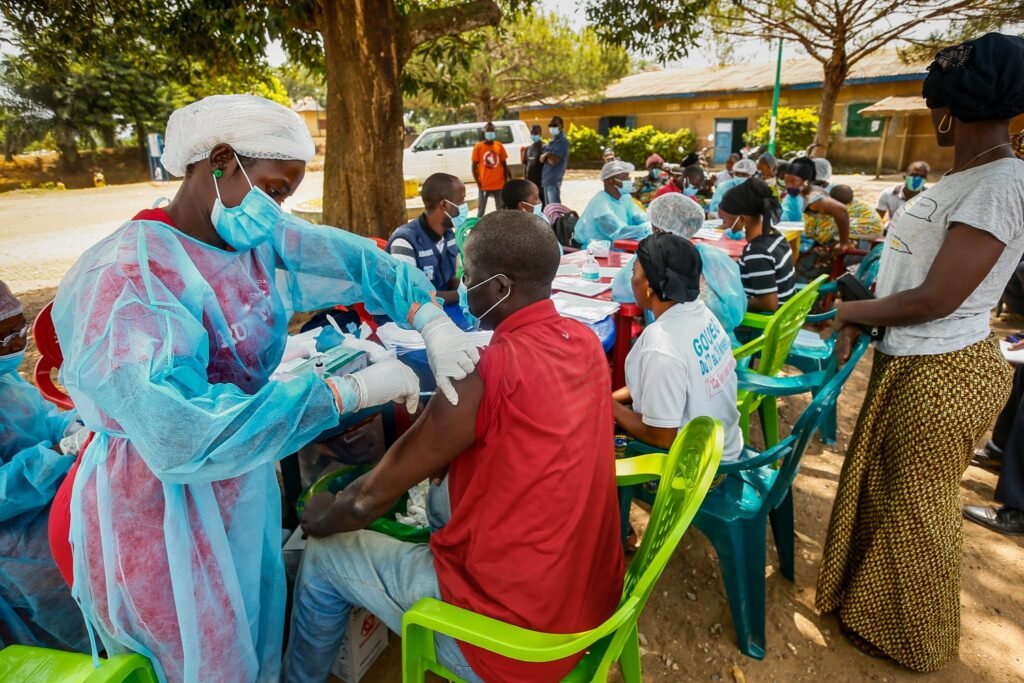
Those figures tell only part of the story, as the virus is spreading through communities where armed groups control major roads, health facilities struggle to function and frontline workers have reportedly abandoned their posts over unpaid salaries.
A virus that spreads through human contact moves much faster when the people responsible for tracing infections cannot safely reach affected communities or are no longer available to do the work.
Uganda has shown that a different outcome is possible because after recording 20 confirmed cases and two deaths, the country discharged its last Ebola patient on 16 July and entered the mandatory 42-day countdown before officially declaring the outbreak over.
It is understood that Uganda contained the virus because its public health system functioned. Eastern Congo is responding to the same outbreak while conflict disrupts hospitals, insecurity limits access, and health workers continue to demand wages they have already earned.
No outbreak is contained when the people expected to stop it are unpaid and unable to reach the communities that need them.
Even under those conditions, nearly 86 percent of identified contacts remain under follow-up, reflecting the commitment of frontline workers far more than the strength of the system supporting them.
Responsibility therefore extends beyond the DRC Ministry of Health to the WHO, the Africa Centres for Disease Control and Prevention (Africa CDC), and donor governments, whose funding decisions determine whether response teams receive salaries, protective equipment, and the support needed to stay on the frontlines.
International health rules recognise access to healthcare as a basic right. That commitment becomes difficult to defend when doctors, nurses and contact tracers are left unpaid while responding to one of the world’s deadliest disease outbreaks.
Women and children continue to carry the greatest burden, with women making up much of the frontline health workforce while also providing most of the unpaid care for sick relatives, placing them at the centre of exposure both inside hospitals and at home.
Children already displaced by conflict in Ituri and North Kivu now face another threat as Ebola spreads alongside hunger, insecurity and collapsing health services.
Researchers began clinical trials of MBP134 and remdesivir in early July, but no treatment reaches patients who response teams cannot safely reach or whose caregivers have been forced off the job by unpaid salaries.
The DRC government and donor partners should immediately clear outstanding wages, provide protective equipment for frontline workers and publish regular updates on funding, contact tracing and response operations.
The WHO and Africa CDC should also work with all parties to secure humanitarian access corridors so response teams can reach isolated communities.
Across Africa, professional medical associations, civil society organisations and diaspora groups should continue demanding stronger support for frontline health workers and sustained humanitarian assistance for eastern Congo.
The world’s fastest-growing Ebola outbreak will be contained when the people risking their lives to stop it receive the resources, protection and support they need to keep showing up.