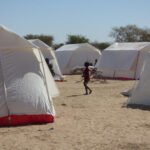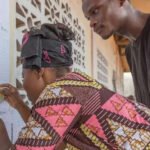







At least 6,516 primary healthcare centres across Nigeria cannot treat patients despite the federal government’s promise of one functional centre in every political ward.
Development Diaries reports that the aforementioned number of primary healthcare centres are non-functional, according to data from the National Primary Health Care Development Agency (NPHCDA), despite years of federal and state investments running into billions of naira.
Katsina and Osun states account for the highest numbers of dormant facilities, while Borno State continues to struggle with hundreds of centres destroyed by insurgency that have yet to be rebuilt.
For many Nigerians, especially in rural communities, a non-functional primary healthcare centre can mean the difference between giving birth safely and delivering at home, treating malaria early and travelling for hours to find help, or surviving an illness and becoming another statistic.
The NPHCDA says Nigeria currently has 3,128 functional Level Two primary healthcare centres, 3,275 revitalised facilities and 5,141 centres supported through the Basic Health Care Provision Fund.
Those figures fall short of the federal government’s 2017 promise to provide at least one functional primary healthcare centre in every political ward.
Many centres have quietly stopped functioning because health workers are unavailable, equipment is broken, drugs are out of stock, maintenance is neglected and funding often arrives late or not at all.
The NPHCDA coordinates primary healthcare nationwide, while state primary healthcare development boards are responsible for managing facilities within their states. The Federal Ministry of Health oversees the country’s primary healthcare system, and the Basic Health Care Provision Fund was established under the National Health Act 2014 to ensure these centres receive sustainable financing.
Nigeria’s constitution directs the state to provide adequate medical facilities for all citizens, while the National Health Act created the Basic Health Care Provision Fund to strengthen primary healthcare.
Nigeria also committed under the 2001 Abuja Declaration to allocate at least 15 percent of its national budget to health, a target successive governments have repeatedly failed to meet.
Rural communities continue to bear the heaviest consequences, with pregnant women losing access to antenatal care and skilled birth attendants, children missing routine immunisation, older persons travelling long distances for treatment, and low-income households that cannot afford private hospitals are left with buildings that promise healthcare but provide none.
Citizens should identify the nearest non-functional primary healthcare centre through the NPHCDA’s ward-level dashboard, report its condition to the relevant state primary healthcare development board, and demand clear timelines for restoring services through ward development committees and local government authorities.
The NPHCDA should publish a facility-by-facility register showing the operational status of every primary healthcare centre, identify the officials responsible for restoring non-functional facilities, and provide costed timelines for reactivation.
State governments, on the other hand, should release counterpart funding for the Basic Health Care Provision Fund on schedule, while the Federal Ministry of Health should publish quarterly reports showing progress towards the commitment of one functional primary healthcare centre in every political ward.
Photo source: Commonwealth Secretariat