






Africa’s collapsing health systems are now being used as bargaining chips in a new global deal that is forcing governments to choose between keeping citizens alive and surrendering control over sensitive public health data.
Development Diaries reports that the crisis began after the President Donald Trump administration dismantled the United States Agency for International Development (USAID), a move that tore through healthcare systems across Africa with devastating speed.
Clinics that had depended on American-funded drug supply chains, laboratory support, and health worker salaries suddenly found themselves rationing medication, delaying treatment, and struggling to keep basic services alive.
In Kasese district, western Uganda, a clinic reportedly received its last PEPFAR-funded antiretroviral drug shipment in February 2025.
Within weeks, the system that had sustained HIV treatment for years began falling apart, as health workers rationed drugs, referred desperate patients elsewhere, and watched many quietly stop treatment because they could no longer afford transport or private care.
Uganda later signed a bilateral health cooperation agreement under Trump’s new America First Global Health Strategy, restoring part of the funding but attaching conditions that have sparked alarm across Africa’s public health community.
At the centre of the controversy is a requirement for African governments to share pathogen data with the United States. That includes outbreak information, viral samples, genomic sequencing results, and disease surveillance records.
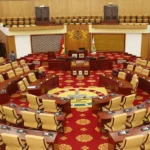
Uganda signed the agreement without its parliament publicly debating the terms, while the full details of the data-sharing arrangement reportedly remained unavailable to citizens before the deal was concluded.
This is the same agreement that Ghana refused, Kenya’s High Court suspended after a citizen lawsuit challenged its legality, and Zimbabwe rejected outright, while countries such as Nigeria, Rwanda, Uganda, Ethiopia, Botswana, Cameroon, Mozambique, Sierra Leone, the Ivory Coast, Burkina Faso, Madagascar, Lesotho, and eSwatini accepted versions of the deal under severe healthcare funding pressure created by the collapse of USAID itself.
What makes the situation even more troubling is the absence of a strong continental response, with 13 African countries reportedly negotiating individually with Washington despite facing nearly identical pressures, as there was no unified African Union framework.
The people most affected by these agreements are the women standing in clinic queues wondering whether HIV medication will still be available next month; adolescent girls depending on donor-funded prevention programmes for sexual health information and treatment support; and rural mothers whose communities relied on USAID-backed maternal healthcare systems that domestic budgets had never fully funded.
Women health workers are also among those carrying the heaviest burden, with thousands of community health volunteers, nurses, and maternal health aides whose salaries were partly supported through USAID-linked programmes now facing uncertainty.
What Africa needs now is a continent-wide public health strategy built around transparency, parliamentary oversight, and collective bargaining power.
Citizens deserve to know exactly what their governments signed, what data is being shared, the obligations accepted, and the protections that exist for their privacy and public health rights.