



Nigeria forcing women to block highways before the killing of other women receives serious attention exposes how unreliable justice has become for victims of gender-based violence (GBV) in the country.
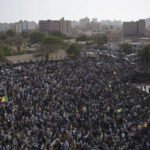
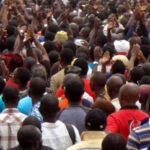
Development Diaries reports that women in Plateau State, north-central Nigeria, recently barricaded a major highway after the bodies of two women were discovered, demanding that authorities investigate the killings.
The protest reflected more than grief, as it exposed the growing belief that the killing of women attracts public attention only after communities create a crisis the authorities can no longer ignore.
Across Nigeria, violence against women remains widespread, while investigations into the killing of women are frequently criticised for ending without arrests, prosecutions or public updates that reassure families justice is being pursued.
The question now is whether women must continue to protest before the government takes their deaths seriously.
Responsibility rests with the Nigeria Police Force and the government of Plateau State, which are expected to investigate the killings promptly while ensuring that GBV receives the same urgency as other violent crimes.
Nigeria cannot effectively respond to killings it barely records. The country still lacks reliable national data on femicide, making it difficult to determine how many women are being killed, where the killings occur most frequently and whether investigations ever lead to justice.
The country’s Violence Against Persons (Prohibition) Act criminalises different forms of violence against women, while Section 33 of the constitution guarantees every person’s right to life.
The country is also bound by international agreements, including the Convention on the Elimination of All Forms of Discrimination Against Women and the Maputo Protocol, which require governments to protect women from violence and provide effective remedies when those protections fail.
So why must families first organise public protests before investigations receive the urgency they deserve?
Women and girls in rural and low-income communities continue to bear the heaviest burden because police response is often weakest where they live, leaving many communities with few options beyond public demonstrations to demand justice.
Women’s rights organisations have repeatedly warned that Nigeria’s response to GBV often breaks down during investigation and prosecution, where cases are delayed, abandoned or quietly disappear.
The protest in Plateau demonstrates what that failure looks like when communities lose confidence in the institutions responsible for protecting them.
Therefore, women’s organisations and community groups should continue to document GBV while demanding regular public updates on the Plateau investigation and other unresolved cases involving the killing of women.
The Nigerian police should immediately assign a dedicated investigative team with publicly announced timelines, while the government of Plateau State should strengthen specialised GBV investigations and establish a comprehensive system for recording femicide cases.
The killing of any citizen should trigger a criminal investigation, not a highway protest before the government begins to act.