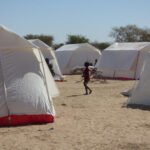







The South African government’s continued failure to provide citizens with safe, adequate housing and essential services reflects a deepening human rights crisis in the country.
Development Diaries reports that more than five million South Africans living in informal settlements remain exposed to life-threatening conditions as a result of the government’s failure to meet their basic needs.
Amnesty International South Africa’s new report, ‘Flooded and Forgotten: Informal Settlements and the Right to Housing in South Africa’, paints a grim picture of government neglect in addressing the housing and climate crises despite the country’s constitutional guarantees under sections ten and 26.
‘The government is failing the millions of people trapped in these underserved areas, especially in a time when economic hardships and poverty are rife’, Amnesty International South Africa Executive Director, Shenilla Mohamed, said.
‘People live in informal settlements because there is a lack of affordable and accessible formal housing and sometimes because they are the only affordable means of living close to work or work opportunities’.
The situation reveals a widening gap between policy and implementation, with the most vulnerable communities paying the price for systemic governance failures.
According to the report, residents of informal settlements, particularly in Johannesburg, eThekwini, and Cape Town, are routinely exposed to flooding and other climate-related disasters without sufficient state support.
This neglect is a violation of South Africa’s constitution and also its international obligations under the UN International Covenant on Economic, Social and Cultural Rights, which guarantees access to adequate housing, water, and sanitation.
The South African government needs to move beyond rhetoric and take decisive action. President Cyril Ramaphosa, Minister of Human Settlements, Mmamoloko Kubayi, and the National Disaster Management Centre need to upgrade informal settlements with access to water, sanitation, and resilient housing.
This should be backed by adequate funding, transparent implementation, and community participation.
Photo source: Phill Magakoe/AFP via Getty Images