





The families of the 46 students and teachers abducted from two schools in Oyo State have spent more than six weeks searching for answers, while the government’s limited public communication has left social media to fill the information gap with rumours.
Development Diaries reports that 39 students and seven teachers abducted from Community High School, Ahoro-Esinele, and Yawota Baptist Nursery and Primary School in Oriire areas on 15 May remain in captivity, with one teacher, Michael Oyedokun, killed during the ordeal, while a two-year-old girl, Christianah Akanbi, is among those still being held.
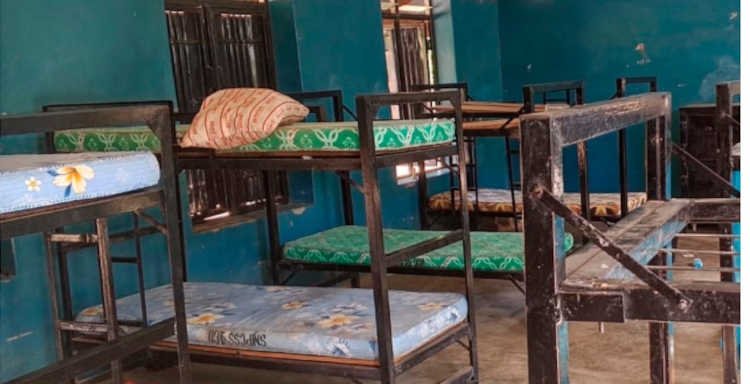
The examination timetable is still pinned to the wall at Community High School, but the students who should have sat those examinations are missing. The school principal, Alamu Folawe, who appeared in a distress video pleading with the government to rescue the victims without using force, has also been away from her office since the attack because she remains among those in captivity.
False reports claiming the victims have regained their freedom have now become part of the crisis. Africa Check found no credible evidence that any rescue has taken place, but social media posts announcing their release circulated widely, giving desperate families hope before taking it away again.
Official silence has allowed those rumours to flourish because people naturally cling to any information that offers hope when reliable updates are scarce, and social media has been more than willing to appoint itself the unofficial spokesman for a rescue operation it knows nothing about.
Governor Seyi Makinde initially confirmed that one kidnapped teacher had died and that security agencies had arrested six suspects, while President Bola Tinubu condemned the attack and promised cooperation between federal and state authorities.
For their part, the defense headquarters later disclosed that a Boko Haram faction carried out the abduction, while the governor acknowledged intelligence failures and assured families that rescue efforts were ongoing.
Those updates have since become increasingly infrequent. Apart from announcing that surveillance aircraft ordered from China had arrived and would support security operations, the public has received little information about the progress of the rescue effort. Families still do not know what security agencies have achieved, challenges they are facing, or whether there are signs that the victims may soon regain their freedom.
Governments can protect operational secrets without leaving citizens completely in the dark. No one expects security agencies to broadcast rescue strategies on television, but families deserve regular, factual updates that reassure them their loved ones have not been forgotten.
The Oyo school abduction also shows that Boko Haram-linked violence is no longer confined to the parts of Nigeria where the country’s counter-insurgency strategy was designed to contain it. The defence headquarters attributed the attack to fighters displaced by military operations in the north east, suggesting that armed groups are moving into new territories faster than security planning is adapting to stop them.
Military operations that push armed groups from one region into another without dismantling their networks simply relocate insecurity, and the Oyo attack suggests that violent groups have no intention of leaving any of Nigeria’s geopolitical zones off their itinerary.
Governor Makinde admitted that the attack exposed intelligence failures. That admission should now lead to stronger intelligence gathering, better inter-state coordination and greater protection for vulnerable schools across southern Nigeria.
The 46 victims include teachers who devoted their lives to educating children, Folawe, a school principal; schoolchildren; and Christianah Akanbi, a two-year-old girl whose continued captivity shows that every kidnapping leaves behind much more than a security statistic.
Nigeria cannot fulfil its commitment to safe and compulsory basic education while children can be abducted from schools and parents leave home each morning uncertain whether they will welcome them back at the end of the day.
The federal government should establish a clear communication protocol for major kidnapping cases, designate a spokesperson, and provide regular public updates to keep families informed without compromising ongoing operations.
The examination timetable in Ahoro-Esinele still awaits students who have not returned. The government should match the urgency those families have shown every day since May 15 by rescuing the victims and providing the regular, credible updates that every anxious parent deserves until the last hostage returns home.