



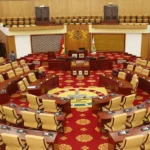



Zimbabweans stand to lose one of their strongest means of holding presidents accountable after parliament approved a constitutional amendment that replaces direct presidential elections with a parliamentary voting system.
Development Diaries reports that the constitutional amendment extends presidential and parliamentary terms from five to seven years, keeping President Emmerson Mnangagwa in office until 2030 and replacing direct presidential elections with a parliamentary voting system.
It is understood that 75 senators voted in favour of the amendment, while only four opposed it, effectively handing parliament the power to choose future presidents.
Constitutions are supposed to be the rulebook that limits political power. Unfortunately, African politics has developed an interesting habit of treating constitutions the way some football teams treat match rules. Whenever the game is no longer going their way, someone suddenly discovers that the rules can still be adjusted before the final whistle.
That is why what happened in Zimbabwe deserves attention far beyond Harare because this is not simply another constitutional amendment, as it changes the relationship between citizens and political power by removing the most direct way people hold a president accountable.
Supporters of the amendment argue that parliament is itself elected by the people and therefore represents the public interest. That argument would carry greater weight if parliamentary majorities always reflected genuinely competitive political environments.
Critics, however, point out that Zimbabwe’s governing party already commands overwhelming control of parliament following elections that observers from the Southern African Development Community (SADC) said fell short of regional democratic standards.
In such circumstances, asking parliament to elect the president is rather like asking a company’s board of directors to mark its own performance report.
It is also understood that opposition figures had argued that constitutional changes of this magnitude should be subjected to a national referendum, which never happened because the governing party possessed the parliamentary numbers required to pass the amendment, making a referendum unnecessary under Zimbabwe’s constitutional procedures.
The implications extend beyond electoral politics, as women, young people and rural communities may find it harder to influence executive leadership through the equal power of one person, one vote. Future generations of Zimbabweans could grow up without ever participating in a direct presidential election, leaving many to know democratic accountability more from history books than personal experience.
The amendment also raises important human rights questions about Article 13 of the African Charter on Human and Peoples’ Rights, which guarantees every citizen the right to participate freely in the government of their country.
Zimbabwe remains a signatory to that charter, while SADC’s democratic principles also emphasise credible and transparent elections. Whether electing a president through parliament fully satisfies those commitments is likely to remain the subject of legal scrutiny.
The responsibility now extends beyond Zimbabwe. The Constitutional Court must carefully determine whether the amendment is consistent with constitutional guarantees, while the African Commission on Human and Peoples’ Rights should closely examine its implications for political participation.
SADC, which has repeatedly affirmed its commitment to democratic governance, should also demonstrate that those commitments extend beyond election observation reports.
Democracy becomes weaker every time citizens lose another opportunity to hold their leaders accountable until they eventually discover that they still have governments, parliaments and constitutions, but much less influence over who governs them.
Zimbabwe’s constitutional amendment should concern every democracy because citizens are strongest when they retain the unquestionable right to choose their leaders and decide when those leaders should leave office.
Photo source: Gary Bembridge