






Nigeria’s decades-long struggle with insecurity has exposed the limits of a policing system that expects communities under attack to wait for decisions made far away from where the danger exists.
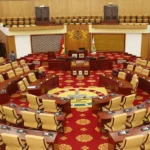
Development Diaries reports that the Senate has passed the Constitution Alteration (State Police) Bill and transmitted it to the 36 state houses of assembly for ratification.
The proposed amendment will create state police services alongside the federal police, but it can only become law if at least 24 state assemblies approve it before it is signed by the president.
Every major attack in Nigeria eventually brings the same question about where the police were when communities needed them most. From Chibok to the northwest kidnappings, the Plateau killings and the recent school abductions in Oyo State, the answer has repeatedly exposed the limitations of a policing system that depends on commands from far away instead of responding quickly to local threats.
State police could help close that gap because officers recruited, deployed and managed closer to their communities are more likely to understand local terrain, build community intelligence and respond faster when danger emerges. Criminals usually know the footpaths, forests and escape routes in their communities. The police should not be the last people to receive that information.
Supporters of the reform therefore see it as an opportunity to modernise Nigeria’s security architecture, as the proposed law allows the federal police to retain responsibility for national security while state police services focus on local policing.
It also includes safeguards prohibiting state police from targeting citizens for criticising government officials, requires recruitment to reflect the diversity of each state and allows federal intervention during a serious breakdown of law and order.
Those safeguards deserve to be tested, not merely celebrated.
Many Nigerians worry that governors could abuse state police by intimidating political opponents, suppressing protests or settling personal scores, with Nigeria’s political history offering enough examples of power being abused to make those concerns legitimate rather than speculative.
The safeguards contained in the bill will only work if courts enforce them, civil society organisations are free to monitor abuses, citizens understand their rights, and elected officials face real political and legal consequences whenever state police powers are abused.
The most important stage of this reform is therefore unfolding now, not after the president signs the bill. State houses of assembly are expected to consider the amendment, and that process gives citizens a rare opportunity to influence one of Nigeria’s biggest security reforms before it becomes part of the constitution.
Public hearings should allow citizens, security experts, traditional leaders, women’s organisations, persons with disabilities, youth groups and community associations to recommend practical safeguards that reflect the realities of their states because constitutions are much easier to amend before they are adopted than after citizens begin living with their consequences.
Women also have a significant stake in this conversation because they often bear the heaviest burden when insecurity persists. Whether it is sexual violence, attacks on farms and markets or domestic violence that receives little police attention, many women already understand what delayed policing means.
State police should therefore include stronger provisions for responding to gender-based violence, recruiting more female officers and ensuring that reporting mechanisms are accessible to survivors.
Persons with disabilities should also be considered from the beginning rather than as an afterthought, with complaint procedures, emergency response systems and police training all designed to ensure that every Nigerian can access protection regardless of physical ability.
Citizens should use the ongoing ratification process to demand meaningful public hearings in their states and insist that their recommendations become part of the legislative record, just as the National Human Rights Commission should also develop clear civil liberties standards to guide the operation of state police across the country.
Creating another police institution without equally strengthening accountability would be like buying a new padlock while leaving the door wide open.