


Nigeria’s Ebola preparedness should focus on where the next outbreak is most likely to enter the country, not where the last one did.
Development Diaries reports that the ongoing Ebola outbreak in the Democratic Republic of the Congo has renewed concerns about Nigeria’s readiness to prevent another outbreak.
Although the Nigeria Centre for Disease Control and Prevention (NCDC) has confirmed that no Ebola case has been recorded in the country, the federal government has established a presidential task force and approved ten billion naira to strengthen national preparedness.
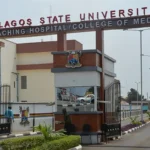
Nigeria has every reason to take the threat seriously because in 2014, the country earned global recognition for stopping Ebola after an infected traveller arrived at Lagos’ Murtala Muhammed International Airport. Quick detection, laboratory capacity and a coordinated public health response limited the outbreak to 20 cases and eight deaths, making Nigeria an international example of effective disease control.
That success, however, should not become the country’s comfort zone.
Nigeria’s preparedness strategy was built around the circumstances of the 2014 outbreak when the virus arrived through the Lagos international airport. The current outbreak presents a different risk because the country is more likely to face Ebola through its long and busy land borders with Cameroon, Niger, Chad and Benin than through the Lagos airport.
That difference is crucial because disease outbreaks rarely respect the plans developed for previous emergencies, just as viruses have an annoying habit of refusing to read government strategy documents before crossing borders.
The concern becomes even greater because Kano, Borno, Adamawa and Taraba have been identified by the NCDC as states at high risk of importing Ebola; still, they reportedly lack Ebola diagnostic capacity.
Those states either share borders with neighbouring countries or sit close to some of Nigeria’s busiest cross-border routes, making early detection especially important.
The federal government deserves credit for responding quickly by establishing a presidential task force and releasing funds to strengthen preparedness.
However, preparedness is measured by what reaches hospitals and laboratories, not by what is announced at press conferences. So, the test is whether diagnostic equipment, trained laboratory personnel and emergency response systems are already being deployed to the states facing the highest risk.
The government has not publicly explained how the aforementioned funds will be distributed across the country or confirmed whether high-risk states such as Kano, Borno, Adamawa and Taraba have received the laboratory equipment and technical support required to detect Ebola quickly if a suspected case emerges.
That information is vital because Ebola spreads fastest when infected people remain undiagnosed, and every delay increases the risk that family members, neighbours and health workers unknowingly come into contact with an infected person before isolation measures begin.
Nigeria’s preparedness also extends beyond laboratories. Border surveillance, emergency operations, public communication, trained health workers and sustainable funding all determine whether an outbreak is contained quickly or allowed to spread.
A preparedness score of 59 percent suggests there is still significant room for improvement across those areas despite Nigeria’s impressive performance 12 years ago.
Women have a particular stake in closing those gaps because they are often the primary caregivers within households. If Ebola enters a community without being detected early, women are usually the first to care for infected relatives, placing them at greater risk of exposure before health authorities identify the disease.
Communities in the border areas of Adamawa and Borno also face greater vulnerability because years of insecurity have weakened health infrastructure in many locations. Ironically, the places most likely to require rapid disease detection are often the places with the fewest resources to provide it.
The NCDC should therefore publish a state-by-state update showing how the ten billion naira is being spent, which states have received diagnostic equipment, when laboratory capacity will become operational in the identified high-risk states and how suspected Ebola cases will be managed where testing facilities are still unavailable.
Nigeria showed the world in 2014 that preparation can stop a deadly outbreak before it becomes a national tragedy. Preserving that reputation now requires more than remembering yesterday’s success.
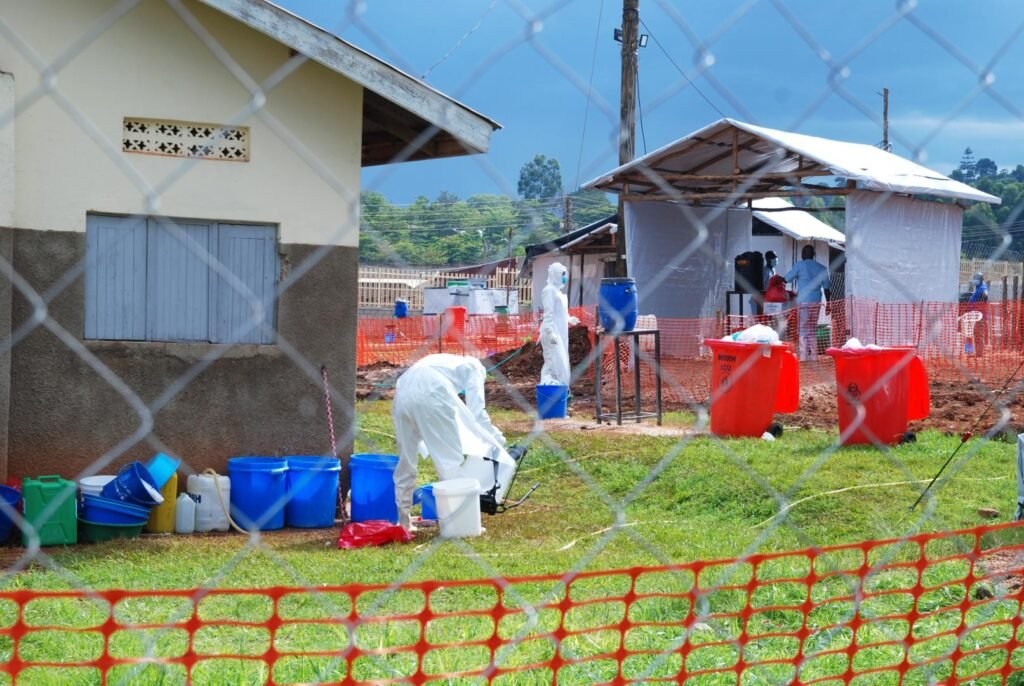
Photo source: WHO