

A child diagnosed with severe acute malnutrition should not be leaving a health facility with only part of the treatment needed to stay alive, but that is increasingly becoming the reality confronting health workers across parts of Ghana.
Development Diaries reports that nutrition experts appearing before a parliamentary roundtable in Accra recently presented data showing that while Ghana is identifying more children who suffer from severe acute malnutrition (SAM), the country’s ability to treat them is steadily falling behind.
In one referral facility in Ghana’s Upper East Region, a nurse recently diagnosed a two-year-old boy with severe acute malnutrition after measurements confirmed he had fallen below the emergency threshold.
It is understood that his mother had travelled several hours to reach the facility, and the internationally recommended treatment was available, but only in limited quantity.
The facility had not received fresh supplies for weeks, forcing health workers to ration what remained while hoping another delivery would arrive before the shelves became completely empty.
Health workers and nutrition experts say this is no longer an isolated incident, as ccross Ghana’s nutrition system, more children are being identified, families are seeking help, and facilities are struggling to secure the supplies required to respond.
The numbers parliament heard
Data compiled by the Ghana Health Service and partners under the Nourish Ghana Project indicate that approximately 68,517 Ghanaian children develop severe acute malnutrition every year.
But out of a treatment target of 25,000 children, only 14,385 were reached, and that represents just 57.5 percent of the target and less than one-quarter of all children estimated to require treatment annually.
Experts also reported that admissions into malnutrition treatment programmes have increased significantly in recent years, largely because health workers are becoming better at identifying cases.
However, treatment outcomes are moving in the opposite direction, with cure rates declining as health facilities struggle with shortages of therapeutic supplies.
The same presentation revealed that 51 percent of pregnant women attending health facilities in Ghana are anaemic, a figure carrying consequences far beyond pregnancy because maternal anaemia increases the risk of low birth weight, childhood stunting, and developmental challenges later in life.
The NHIS gap
At the centre of the treatment crisis is Ready-to-Use Therapeutic Food (RUTF), the nutrient-rich therapeutic paste used globally to treat severe acute malnutrition.
Despite its importance, RUTF is not covered under Ghana’s National Health Insurance Scheme (NHIS).
That means many families must either pay for treatment themselves or depend on donor-funded programmes and humanitarian organisations for access. The same challenge affects Multiple Micronutrient Supplements used by pregnant women.
Addressing parliamentarians, Ghana Health Service nutrition official Olivia Timpo acknowledged the problem directly when she noted that treatment guidelines alone cannot save lives if the supplies required to implement them are unavailable.
Her statement highlighted a challenge that extends beyond healthcare facilities, as Ghana already has nutrition commitments, policy frameworks, and development plans. What remains uncertain is whether enough domestic funding exists to transform those commitments from policy documents into treatment available on clinic shelves.
The aid withdrawal challenge
Nutrition programmes across Ghana have historically relied heavily on donor support, including funding streams connected to USAID and other international partners. As several of those arrangements have been reduced, restructured, or withdrawn, concerns have grown about how treatment programmes will survive without replacement financing.
Health officials have warned that unless domestic funding increases quickly, shortages of therapeutic nutrition supplies could become more frequent, reversing gains made in the fight against child malnutrition.
The question now confronting policymakers is whether Ghana will replace disappearing donor support with national budget allocations or allow nutrition services to weaken as external funding recedes.
System analysis
The challenge facing Ghana’s nutrition sector is the gap between commitments and financing. This is so because, despite signing international nutrition agreements and integrating nutrition goals into national development planning, the country’s treatment coverage remains far below need, as the funding required to sustain treatment has not kept pace with the scale of the problem.
Parliament bears a significant responsibility because lawmakers approve national budgets and oversee health spending. A legislature that approves annual health budgets without demanding clear answers on therapeutic food financing, treatment coverage gaps, and supply shortages is leaving one of the country’s most vulnerable populations without effective oversight.
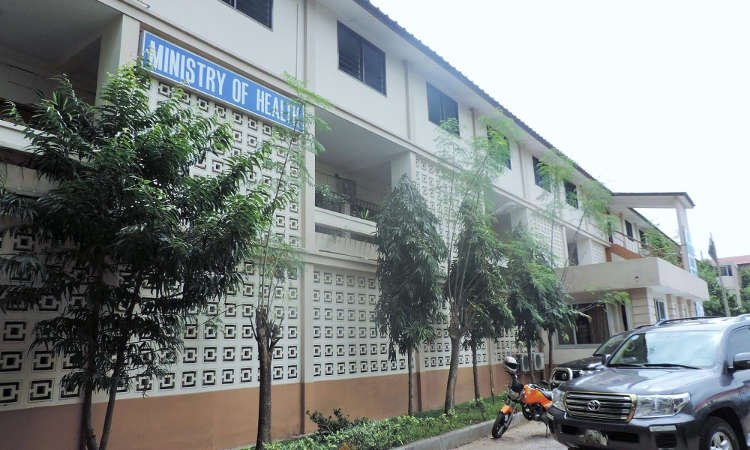
The Ministry of Health also faces questions over why therapeutic nutrition commodities remain outside the NHIS benefit package despite longstanding evidence of their effectiveness.
The National Health Insurance Authority must equally explain why a system designed to improve healthcare access continues to exclude treatment for one of the most life-threatening childhood conditions.
Citizens’ rights
Ghana ratified the Convention on the Rights of the Child more than three decades ago. That convention requires governments to take practical steps to combat disease and malnutrition through available technologies and appropriate healthcare interventions.
RUTF is one of those interventions, but thousands of children who need it every year still cannot access it.
The issue is therefore whether sufficient political priority has been assigned to making that treatment available.
The same concern applies under international commitments requiring governments to prevent and treat diseases through accessible healthcare services. When effective treatment exists but remains unavailable because financing has not been secured, the consequences are measured in children’s lives.
Gender and equity lens
Northern Ghana, including the Upper East, Upper West, and Northern regions, continues to experience some of the country’s highest levels of poverty, climate vulnerability, and healthcare access challenges.
Women bear much of this burden directly, as the high prevalence of maternal anaemia affects women’s health while also increasing risks for newborn children.
Girls face additional long-term consequences because childhood malnutrition often combines with educational disadvantage, with families struggling with limited resources more likely to withdraw girls from school, creating a cycle where poor nutrition and reduced educational opportunity reinforce one another.
Persons with disabilities also encounter barriers because treatment systems depend heavily on physical visits to health facilities, while community-level outreach remains inconsistent in addressing accessibility needs.
What must happen next
Parliament’s Health Committee must move beyond discussions and ensure therapeutic nutrition financing becomes a visible accountability issue within Ghana’s health budget process.
The inclusion of RUTF and multiple micronutrient supplements under the NHIS deserves urgent consideration because treatment cannot remain dependent on unpredictable donor support.
The Ministry of Finance must also present a clear plan explaining how Ghana intends to finance its nutrition commitments as external funding declines.
Citizens have a role to play as well by asking their Members of Parliament about how much money has been allocated to treat severe acute malnutrition in the current budget and how that amount compares to the number of children requiring treatment every year.
The answer to that question will reveal whether Ghana’s commitment to ending child malnutrition exists mainly in policy documents or in the budgets that determine who receives treatment and who does not.
Photo source: Vagabundler