





South Africa’s World Cup visa embarrassment has exposed a familiar governance problem in which tasks that should be completed quietly in an office somehow grow large enough to disrupt an entire national project.
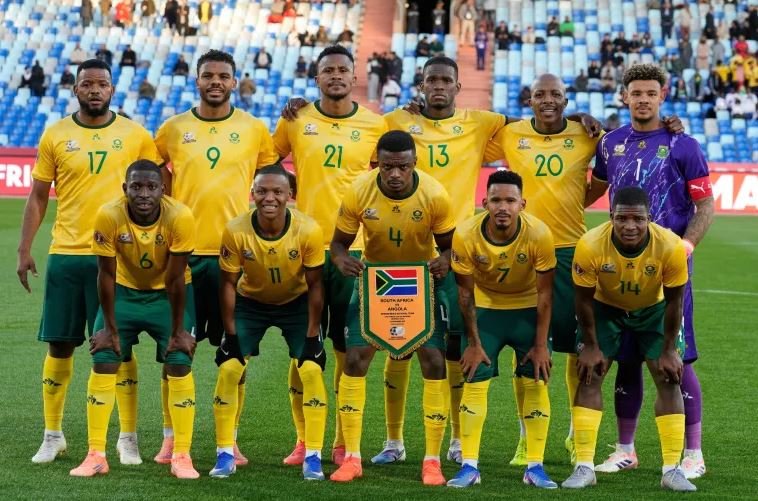
Development Diaries reports that the Bafana Bafana’s 2026 FIFA World Cup preparations suffered an embarrassing setback after visa and travel documentation failures left several players unable to depart with the national team, disrupting a crucial pre-tournament schedule ahead of the country’s opening match.
South Africa was expected to play Jamaica in a pre-tournament friendly in Mexico before opening its World Cup campaign against Mexico on 11 June.
Every additional day spent in Johannesburg reduced the time available for players to adjust to the altitude conditions in Pachuca, forcing a World Cup preparation plan to compete with paperwork that should have been settled long before anyone packed a suitcase.
Sports Minister Gayton McKenzie reacted publicly, describing the situation as embarrassing and unfair to the players and coaching staff, while demanding an explanation from the South African Football Association (SAFA) and calling for those responsible to face consequences.
The same institutional culture that forgets travel documentation for a World Cup squad is often the same culture that delays public projects, leaves hospitals waiting for supplies, returns unspent public funds at the end of budget cycles, and acts surprised each time a problem arrives exactly when everyone knew it was coming.
None of the requirements involved in this situation were unknown because South Africa knew it had qualified for the World Cup, and officials knew where the tournament would be played.
What system is failing and why
International travel for national teams requires coordination between federation officials, embassies, passport administrators, players, coaches, and tournament organisers.
The systems designed to monitor deadlines either did not exist, were ignored, or functioned with the confidence of people who believe deadlines are merely suggestions. Every major tournament should have a documented logistics checklist with clear deadlines, named responsibilities, and independent verification long before departure day arrives.
When repeated administrative failures occur without visible consequences, oversight itself becomes part of the problem.
Citizens’ rights
South African players have a right to the professional support required to perform at the highest level, as athletes spend years qualifying for tournaments that may only come once in a career. The preparation time lost to avoidable administrative mistakes cannot be recovered.
The players did their jobs by qualifying for the World Cup. The administrators responsible for supporting them did not meet the same standard.
South Africans also have a legitimate expectation that institutions funded through public resources will operate professionally. That expectation is the minimum requirement for organisations representing the country on the global stage.
Gender and equity lens
The incident has also revived questions about administrative support across South African football because for years, Banyana Banyana players have raised concerns about unequal treatment, inadequate preparation arrangements, and disparities in support structures.
The men’s World Cup crisis is receiving national attention because it involves football’s biggest stage, while similar administrative failures affecting women’s football often attract little more than a brief news cycle and a promise to do better next time.
The disruption also affects players differently, as young footballers from township and rural communities who have worked their way into the national team often rely heavily on structured preparation and support systems.
Losing valuable acclimatisation time places additional pressure on players who may already be navigating the most important tournament of their careers.
What must happen next
The accountability process should not end with social media posts, media interviews, or expressions of disappointment. SAFA should publish a detailed report explaining exactly what went wrong, who was responsible for each stage of the failed process, and what corrective actions will prevent a repeat occurrence.
The report should be public because the embarrassment was public.
The Sports Ministry should ensure that the investigation produces measurable consequences where negligence is established, because without consequences, every inquiry becomes another document filed away until the next crisis arrives.
SAFA should also introduce and publish a mandatory tournament logistics protocol covering visas, travel documentation, accommodation, transport, and player welfare requirements before every international competition.
South Africa’s World Cup preparation was disrupted by paperwork that should have been completed long before departure day, and the real accountability test is whether officials treat this as a warning or simply wait for the next preventable crisis to arrive with its own boarding pass.
Photo source: Themba Hadebe/AP