




Africa keeps borrowing money at prices that make development feel like buying food at airport rates, while richer countries with similar economic struggles continue to access loans far more cheaply.
Development Diaries reports that African governments are increasingly questioning a global financial system that charges the continent some of the world’s highest borrowing costs, despite the continent holding vast natural resources, fast-growing markets, and some of the youngest populations needed for the future global economy.
In 2024 alone, African countries reportedly paid around nine percent interest on dollar-denominated bonds, while Latin American countries paid about 6.5 percent and Asian emerging markets paid roughly 4.7 percent.
Estimates from the United Nations show that 16 African countries collectively overpay more than $74 billion every year because their sovereign credit ratings sit below what their actual economic conditions may justify.
That figure is large enough to fund schools, hospitals, climate adaptation projects, roads, electricity infrastructure, and social investments that millions of Africans desperately need.
Instead, huge portions of public revenue are disappearing into debt servicing, while governments continue explaining why basic services remain underfunded.
The system works like a trap many Africans already understand all too well. Once a person is labelled ‘risky’, every opportunity becomes more expensive.
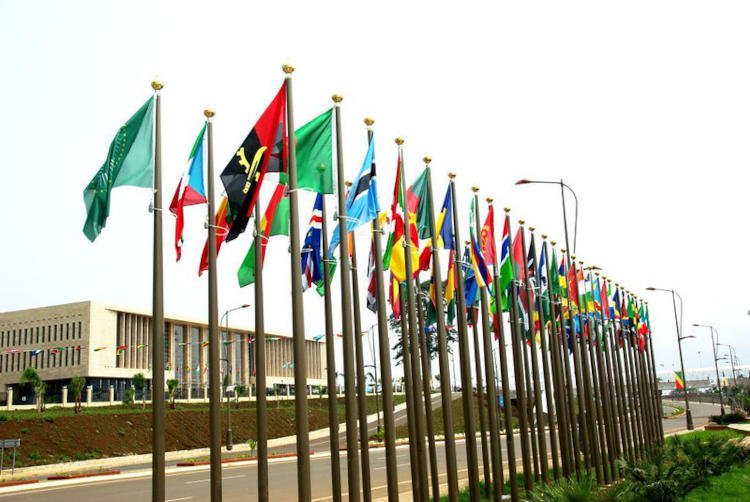
At the Second African Forum on Sovereign Finance held in Addis Ababa earlier this month, African economists, debt managers, and finance experts openly described the situation as more than a debt problem.
Officials warned that it has become a governance crisis, a development crisis, and even a climate vulnerability crisis because countries already struggling with floods, droughts, food insecurity, and unemployment are now forced to spend huge amounts servicing overpriced debt instead of strengthening resilience.
One of the biggest conversations emerging from the forum is the proposed African Credit Rating Agency, an African-led initiative designed to assess African economies using region-specific realities rather than relying entirely on external institutions that critics argue often judge Africa through outdated assumptions and historical stereotypes.
African governments themselves are not free from blame in this crisis. Corruption, poor governance, weak institutions, policy inconsistency, unreliable economic data, and wasteful spending have all contributed to the continent’s risk profile.
Many governments borrow heavily without transparently showing citizens what the money was used for or whether projects were completed. In some countries, public debt grows while roads remain unfinished, hospitals lack equipment, and electricity projects collapse halfway.
The burden of these inflated borrowing costs does not fall equally across society, with women, children, low-income households, and rural communities often carrying the heaviest consequences because the money consumed by debt servicing is money no longer available for education, healthcare, water supply, social protection, and food systems.
Citizens also have an important role beyond simply hearing large debt figures and moving on. Africans should begin asking their finance ministries direct questions about borrowing costs, debt interest rates, and how much countries lose yearly because of poor credit ratings.
The African Union now faces pressure to move beyond speeches and finally provide a concrete timeline for launching the African Credit Rating Agency. Africans have heard many summit declarations before, and citizens are increasingly tired of conferences that produce impressive communiqués but little structural change.
If the continent truly wants greater control over its economic future, many believe the time has come to stop discussing alternatives and start building them.