




Nigeria keeps promising children safe classrooms while kidnappers continue to turn schools into hunting grounds in parts of the country.
Development Diaries reports that fresh school abductions in both Oyo and Borno states have again exposed the frightening gap between the country’s repeated promises to protect schools and the harsh reality facing children, teachers, and parents.
The latest videos released by the abductors, showing terrified children and teachers pleading for rescue, have once again dragged Nigerians back into the same painful cycle of outrage, government assurances, and growing fear that schools are gradually becoming places families are scared to trust.
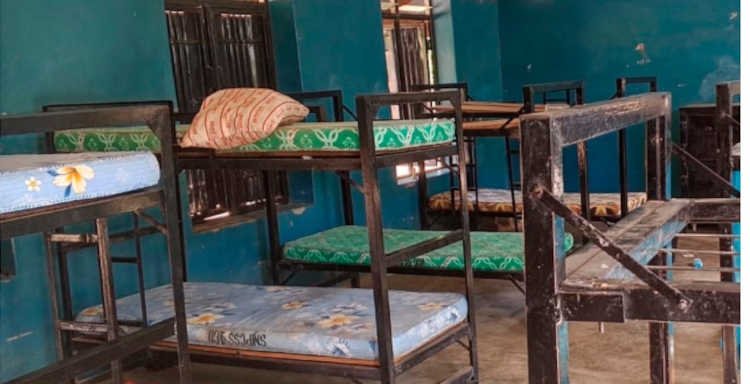
In Oyo State, armed men reportedly stormed schools on 15 May and abducted pupils and teachers before disappearing into surrounding forests, while In Borno State, attacks in Askira Uba and Chibok local government areas between 13 and 14 May reportedly left 42 pupils kidnapped, including children said to be as young as two years old.
The most disturbing part of the Oyo incident was the symbolism behind the abduction. For years, many Nigerians treated school kidnappings as a northern tragedy, something associated with Borno, Zamfara, Kaduna, or Niger states.
But armed groups have now carried that fear deep into the south west, forcing communities that once watched these stories from a distance to realise that insecurity has started moving across regions like an unwelcome traveller carrying the same violence everywhere it goes.
Governor Seyi Makinde confirmed that security agencies had surrounded the kidnappers inside Old Oyo National Park while also admitting that there remains a major intelligence gap in detecting suspicious movements before attacks happen.
His statement was honest, but it also revealed that when governors begin asking ordinary villagers to become the state’s primary intelligence network, it shows how dangerously overstretched and reactive the country’s security architecture has become.
Amnesty International warned that many abducted children and teachers are never released and that the fear of abduction is forcing millions of children away from education.
That warning carries painful weight in a country still haunted by the memories of the Chibok girls abducted in 2014 and the Dapchi girls kidnapped years later.
Nigeria ratified the Safe Schools Declaration in 2019 alongside several other countries, promising to protect schools during conflict and insecurity. International partners supported the programme, funds were announced, and action plans were drafted.
But after years of speeches and security conferences, recent happenings suggest no evidence that all those commitments have translated into real protection for children sitting inside classrooms.
Every time a child is kidnapped from school, another family somewhere quietly decides that education is no longer worth the risk. Girls are often affected most severely because families frightened by abduction threats are more likely to withdraw daughters from school permanently.
In communities already struggling with low female enrolment, insecurity compounds inequality and pushes girls further away from opportunities that education should provide.
Women teachers are also carrying an invisible burden in this crisis, with many teachers working in rural communities now waking up every morning knowing that going to work increasingly resembles reporting for duty inside a danger zone.
The tragedy also exposes another serious governance problem that citizens rarely get clear answers about. There appears to be no publicly accessible breakdown showing which schools benefited from Safe Schools funding, what infrastructure was built, which communities received security assessments, or how preparedness plans are being implemented across states.
The Federal Ministry of Education, Defence Headquarters, state governments, and security agencies all have responsibilities they can no longer avoid. Citizens deserve to know what happened to the promises made after Chibok, what specific school protection systems currently exist in vulnerable communities, and why armed groups continue moving through communities undetected before carrying out attacks.
The National Assembly must demand public accountability reports instead of settling for another round of emotional condemnations after every kidnapping incident.
Parents, civil society groups, community leaders, and journalists must continue to demand published reports on Safe Schools implementation in every state.
Nigeria cannot keep treating school kidnappings like seasonal disasters that appear, generate headlines, and disappear until the next attack arrives.