





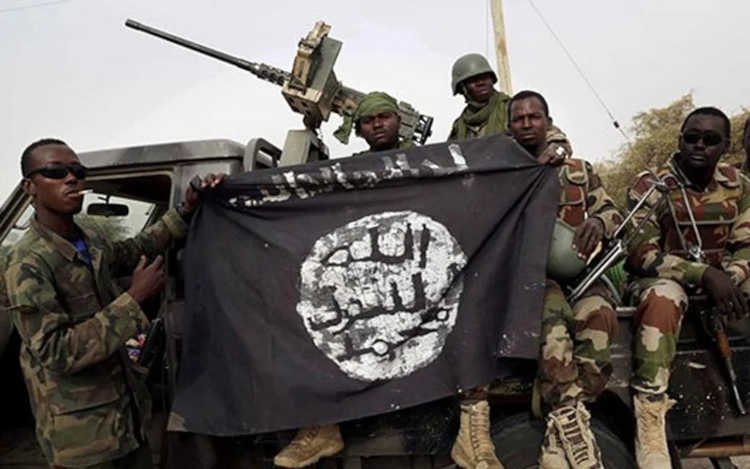
More than 600 terrorism suspects are standing trial in Nigeria’s largest mass terrorism prosecution, but citizens still do not know who many of the accused are, what specific evidence exists against them, or whether every defendant has adequate legal representation.
Development Diaries reports that the Nigerian government commenced mass terrorism trials for more than 600 suspects in Abuja on 13 June, 2026, describing the exercise as evidence of the country’s commitment to fighting terrorism.
The announcement came a day after President Bola Tinubu cited the ‘neutralisation’ of 13,000 terrorists as proof that his administration’s security reforms were producing results. The challenge is that both the mass trial process and the 13,000 figure remain largely beyond independent verification, leaving citizens to rely on official assurances at a time when transparency matters most.
What Nigeria’s terrorism law allows
The Terrorism Prevention and Prohibition Act of 2022 contains broad definitions and severe penalties, including life imprisonment and, in some circumstances, the death penalty.
But in recent years, provisions associated with national security laws have been used against protesters, online activists, and individuals whose actions did not involve violent extremism.
The EndBadGovernance protests of 2024 offered a clear example, with dozens of protesters, including minors, facing serious charges connected partly to online coordination activities. Several cases eventually collapsed or were reduced after public scrutiny and sustained pressure from civil society groups.
That experience demonstrated why broad security laws demand close oversight.
So, when more than 600 individuals are prosecuted simultaneously under terrorism legislation, citizens have a legitimate interest in understanding the specific allegations against each accused person and the evidence supporting those allegations.
Due process questions
Legal representation is one of them, as Nigeria’s Legal Aid Council already struggles with funding and capacity constraints. Therefore, more than 600 terrorism cases arriving at once place enormous pressure on a system that was already stretched before these prosecutions began.
But it is important to note that, at the time of this report, the Nigerian Bar Association (NBA) had not publicly confirmed whether every defendant has access to adequate legal representation.
Another concern is pre-trial detention, as Nigeria’s correctional facilities remain overcrowded, and terrorism suspects often spend extended periods in detention before trial. Citizens have received little information about how long many of these defendants have been detained, the conditions under which they were held, or whether their constitutional rights were consistently protected during that period.
There is also the challenge of individual justice within a mass process, with courts required to assess each defendant on the basis of specific evidence. But when hundreds of cases move together, there is a risk that individuals become part of a collective narrative rather than being judged on their own actions.
Even the government’s claim that 13,000 terrorists have been ‘neutralised’ raises important questions. Without a transparent explanation of what the term means, citizens cannot know whether it refers exclusively to armed fighters killed in operations or whether it includes arrests and detentions that may eventually feed into these trials.
Who is responsible?
The Federal Ministry of Justice is responsible for prosecution standards; the Legal Aid Council has a duty to ensure that indigent defendants have access to legal representation, while the Nigerian Correctional Service is in charge of detention conditions, just as the courts are responsible for ensuring that each defendant receives an individual and fair hearing.
The National Human Rights Commission (NHRC) also has an important role in independent monitoring, yet there has been little public information indicating whether a comprehensive monitoring framework is in place.
Citizens’ rights
Nigeria’s constitution guarantees the right to a fair hearing, legal representation, and adequate time to prepare a defence.
Those protections do not disappear because a person is accused of terrorism. In fact, the more serious the allegation, the greater the need for procedural safeguards.
Women, poverty, and vulnerability
Women are not absent from Nigeria’s terrorism prosecutions. Some have been accused of direct involvement in extremist activities, while others have been caught in circumstances involving coercion, trafficking, or captivity.
Many defendants also come from poor rural communities heavily affected by insurgency. Their ability to secure independent legal representation is limited, making them particularly dependent on state-funded legal support.
What needs to happen
The NBA should publish a detailed assessment of legal representation across the more than 600 terrorism cases, clarifying how many defendants have private counsel, how many rely on legal aid, and whether existing arrangements meet constitutional standards.
Also, the NHRC should establish an independent monitoring mechanism with access to court proceedings and detention facilities, publishing regular reports on compliance with due process requirements.
As for the Federal Ministry of Justice, it should also release a transparent breakdown of the cases, including categories of alleged offences, duration of detention, legal representation status, and other basic information that would allow citizens to understand the scale and nature of the prosecutions.
A government committed to fighting terrorism should have no difficulty explaining how justice is being administered. After all, if citizens can be told that more than 600 people are terrorists, they are entitled to know how that conclusion was reached before the courts are asked to make it permanent.
Source: Vision of Humanity