





A Nigerian who escapes xenophobic violence abroad should not return home only to discover that the government’s loudest response could cost fellow citizens their jobs.
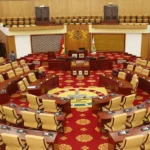
Development Diaries reports that Nigeria’s Senate has begun moves to sanction South Africa over the renewed xenophobic attacks on Nigerians, with Senator Adams Oshiomhole urging the federal government to seize the profits of South African companies operating in Nigeria as compensation for victims, while the Senate has also ordered an investigation into the attacks.
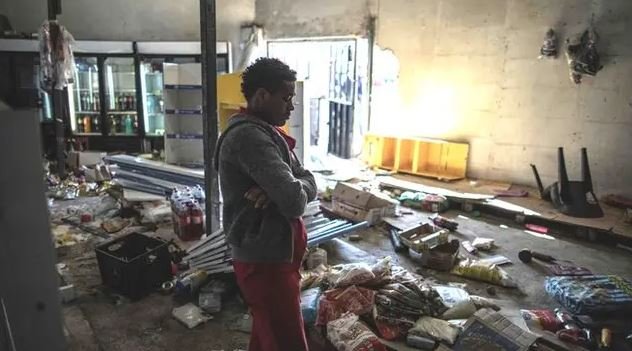
Nigerians have been attacked, businesses destroyed, and another evacuation flight is expected to bring more victims home from South Africa. The question, however, is whether punishing South African companies operating in Nigeria would actually help those victims or simply create a new set of Nigerians in need of help.
South African companies operating in Nigeria employ thousands of Nigerians across telecommunications, banking, retail and media while providing services used by millions every day.
Seizing their profits could trigger job losses, disrupt businesses and discourage investment without putting a single naira directly into the hands of Nigerians who fled South Africa with their livelihoods destroyed.
That is why the biggest gap in the current response is the absence of a publicly funded reintegration plan for returning victims. Nigerians are already arriving home, but there is no published framework explaining what financial assistance, psychosocial support, livelihood grants or business recovery programmes will be available, which agencies will implement them or how returnees can access them.
The current response therefore risks treating retaliation as policy while leaving recovery to chance. The Senate is focusing on sanctions, the Ministry of Foreign Affairs is pursuing diplomatic engagement, but the Ministry of Humanitarian Affairs and Disaster Management has not publicly outlined how Nigerians returning from South Africa will rebuild their lives.
Nigeria has every right to demand justice from South Africa for the attacks on its citizens. It also has a constitutional duty under Section 16 to protect the welfare of Nigerians at home. Any response that risks throwing Nigerians out of work in an attempt to punish South Africa raises legitimate questions about whether that duty is being met.
Many of the people returning from South Africa are traders, artisans and small business owners who spent years building their lives before violence forced them to abandon almost everything. Many are women supporting households and children whose education now faces disruption.
They need capital to restart businesses, temporary income support, counselling and practical assistance to rebuild. And none of those needs is met by seizing the profits of companies employing Nigerians in Nigeria.
Citizens should therefore ask their senators and members of the House of Representatives where the funded reintegration plan for Nigerians returning from South Africa is and how taking the profits of companies employing Nigerians will help victims rebuild their lives instead of putting more Nigerians at risk of losing their jobs.
Returning evacuees should also register with the Ministry of Humanitarian Affairs and document any support promised but not delivered.
The Ministry of Humanitarian Affairs should also immediately publish a funded reintegration framework identifying the assistance available, the agencies responsible, eligibility requirements and timelines for implementation.
Before advancing any economic sanctions, the Senate should also require a public assessment showing how the proposed measures would affect Nigerian workers, consumers and businesses, ensuring that efforts to protect Nigerians abroad do not unintentionally punish Nigerians at home.
Photo source: AFP