


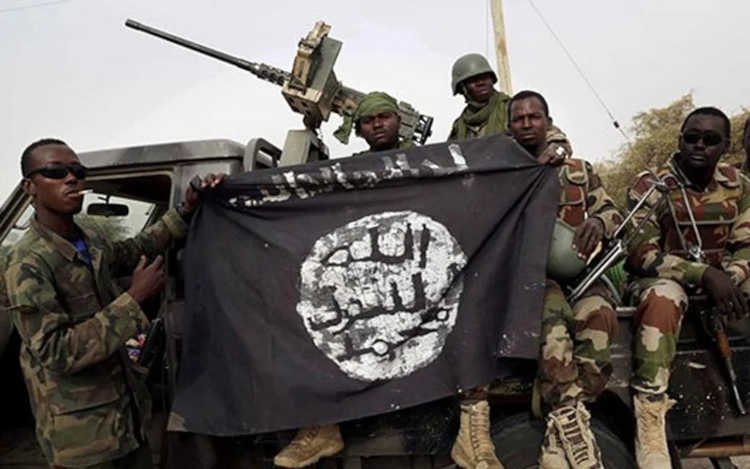
When Nigeria says a Boko Haram fighter has changed, many communities respond the way they would if someone told them to welcome a thief back into the neighbourhood and simply ‘trust the process’.
Development Diaries reports that the Senate has asked the federal government to stop rehabilitating repentant Boko Haram members and prosecute them instead, reopening a debate that goes far beyond public anger into questions of law, justice and accountability.
The demand reflects the anger of communities that lost loved ones, homes and livelihoods during more than a decade of insurgency, and for many survivors, watching former insurgents return home without clear public information about who they are, the crimes they committed or the conditions for their release feels less like reconciliation and more like unfinished justice.
Operation Safe Corridor was created in September 2015 as a federal programme to deradicalise, rehabilitate and reintegrate repentant Boko Haram members.
Seventeen government institutions participate in the programme, with the Nigerian Correctional Service leading deradicalisation inside the camp and the National Orientation Agency engaging host communities before returnees are resettled.
Programme coordinator Brigadier General Yusuf Ali has said the recidivism rate remains below two percent. However, the programme has become increasingly difficult for Nigerians to evaluate because the government has not consistently published detailed information about those passing through it.
Borno State Governor Babagana Zulum has said more than 300,000 repentant Boko Haram members were reintegrated within three years, but that figure has generated widespread debate because there is no publicly available record showing who was rehabilitated, how they were screened, where they were resettled or how their reintegration has been monitored.
The Senate’s call has also revived another question about why the military cannot simply kill insurgents who surrender instead of rehabilitating them.
Nigeria’s own legal commitments make that impossible. As a signatory to the four Geneva Conventions, their Additional Protocols and the Rome Statute of the International Criminal Court, Nigeria is required to protect anyone who has surrendered during an armed conflict.
Once a fighter lays down his arms and is taken into custody, international humanitarian law prohibits summary execution, torture or other forms of cruel treatment.
A surrendered fighter becomes a detainee protected by law, and deliberately killing such a person could expose Nigerian military commanders to allegations of war crimes.
That legal obligation does not mean everyone who passed through Boko Haram should automatically return to society; it simply means the government must distinguish between different categories of people instead of treating them as one group.
Some were committed ideological fighters who planned attacks, killed civilians and should face prosecution under Nigeria’s Terrorism (Prevention and Prohibition) Act. Others were abducted, forced into the insurgency at gunpoint or recruited as children. Thousands of women and girls were kidnapped, forced into marriage, subjected to sexual violence and compelled to support insurgent operations against their will. Others have already served prison sentences imposed by competent courts and cannot continue to be punished indefinitely without violating their constitutional rights.
Nigeria’s biggest weakness is that Operation Safe Corridor has never clearly shown citizens how these categories are separated before people are released. Without transparent screening criteria, published outcome data and independent oversight, communities cannot easily distinguish between someone returning after surviving captivity and someone returning after participating in violence.
The uncertainty carries security consequences as well. Humanitarian organisations and conflict researchers have repeatedly warned that allegations of unlawful killings of captured fighters discourage other insurgents from surrendering because they believe they will be executed regardless.
The debate therefore extends beyond rehabilitation or prosecution to whether Nigeria has built a system capable of delivering both justice and accountability.
Victims and survivor communities have the right to know who is being resettled among them and whether those responsible for serious crimes have faced justice. At the same time, children, abducted civilians and other coerced recruits enjoy legal protection under the Child Rights Act and the international humanitarian treaties Nigeria has ratified.
Women and girls remain among those carrying the heaviest burden. Many spent years in captivity, endured sexual violence and returned with children born during the conflict, only to face rejection from the very communities they hoped would welcome them home.
Communities across Borno, Yobe and Adamawa also bear the consequences of decisions largely made outside their localities. They are expected to receive returnees, rebuild trust and maintain peace, often without sufficient consultation or access to information about those returning.
The federal government may legally discontinue Operation Safe Corridor if it chooses. What it cannot lawfully do is replace rehabilitation with the summary execution of surrendered fighters or continue holding thousands of detainees indefinitely without trial.
Nigeria also lacks the judicial capacity to prosecute every person linked to the insurgency within a reasonable time. Ending the programme without expanding prosecutorial capacity would likely replace one accountability gap with another, leaving thousands of people in prolonged detention in violation of Section 35 of the constitution.
Citizens therefore have a role to play by demanding greater transparency rather than simply louder rhetoric. Survivor communities should formally request information from the Office of the National Security Advisor on the number of participants admitted into Operation Safe Corridor, the criteria used for screening, verified recidivism figures and the communities where returnees have been resettled.
The Office of the National Security Advisor should publish a comprehensive report explaining how ideological fighters, coerced recruits, abducted civilians and children are distinguished within the programme.
The Federal Ministry of Justice should equally provide regular updates on the prosecution of detained Boko Haram members while expanding the judicial capacity needed to try those responsible for terrorism offences.
Without that level of transparency, Nigerians will continue to debate rehabilitation without ever knowing whether justice and accountability are actually being served.