



For years, Nigerians watched billions disappear into refinery rehabilitation the way people keep repairing a generator that never starts, only to be told to contribute for another repair.
Development Diaries reports that two former managing directors of the Warri and Port Harcourt refineries are standing trial over alleged fraud involving $989,630 and N1.42 billion, while Dangote Industries has broken ground for a 700,000-barrel-per-day refinery in Kenya as part of a plan to invest an additional $46 billion in refining, cement and fertiliser businesses between 2026 and 2028.
The contrast could hardly be sharper, as while a Nigerian private company is expanding refining capacity across Africa, Nigeria’s public refineries are back in the headlines because of another corruption case.
For decades, Africa’s biggest crude oil producer depended almost entirely on imported petroleum products because the Warri, Port Harcourt and Kaduna refineries repeatedly failed to deliver sustained production despite consuming huge public resources for turnaround maintenance.
The ongoing prosecution of the former refinery managers may determine whether specific crimes were committed, but it will not, on its own, explain how successive governments spent enormous sums on rehabilitation across three refineries without producing lasting refining capacity.
That is the accountability gap citizens should be paying attention to.
Successive federal budgets allocated billions of naira for the rehabilitation of the Warri, Port Harcourt and Kaduna refineries, while the Nigerian National Petroleum Company Limited (NNPCL) managed the facilities and supervised many of the contracts.
Despite those investments, the refineries remained largely non-functional for years. Nigerians now deserve a full account of how much was approved, how much was spent, who received the contracts, what work was delivered and how much fuel those billions actually produced.
The controversy also raises constitutional questions about how public resources are managed. Section 16 of Nigeria’s constitution requires the state to manage the nation’s resources for the common good and to promote the welfare of citizens.
Fuel is not merely another commodity in Nigeria, as it powers generators where electricity is unavailable, transports goods across the country and keeps businesses running. Every failed rehabilitation project therefore forced Nigerians to pay twice, first through taxes used to repair refineries that remained idle and again through higher prices for imported fuel.
The burden has always fallen hardest on ordinary Nigerians. Low-income households spend a greater share of their income on transport and fuel for small generators because reliable electricity remains unavailable in many communities.
Rural households depend on petroleum products for water pumping, milling and other daily activities, while women who operate small food-processing and trading businesses often absorb rising fuel costs directly because generators remain essential for their livelihoods.
Energy analysts argue that public refinery rehabilitation contracts rewarded contract completion instead of sustained fuel production, whereas private investments such as Dangote Refinery succeed only when they consistently produce fuel.
That lesson extends well beyond the petroleum sector because public projects should ultimately be judged by the services they deliver, not simply by the contracts they award.
Citizens should therefore request from the NNPCL and the National Assembly comprehensive records showing how much has been spent rehabilitating the Warri, Port Harcourt and Kaduna refineries over the past two decades alongside the amount of fuel each refinery actually produced during the same period.
For its part, the National Assembly should commission and publish an independent forensic audit covering every refinery rehabilitation contract over the past two decades, tracing approvals, payments, contractors, completed work and refining output, while the EFCC’s prosecution should identify individual wrongdoing where it exists.
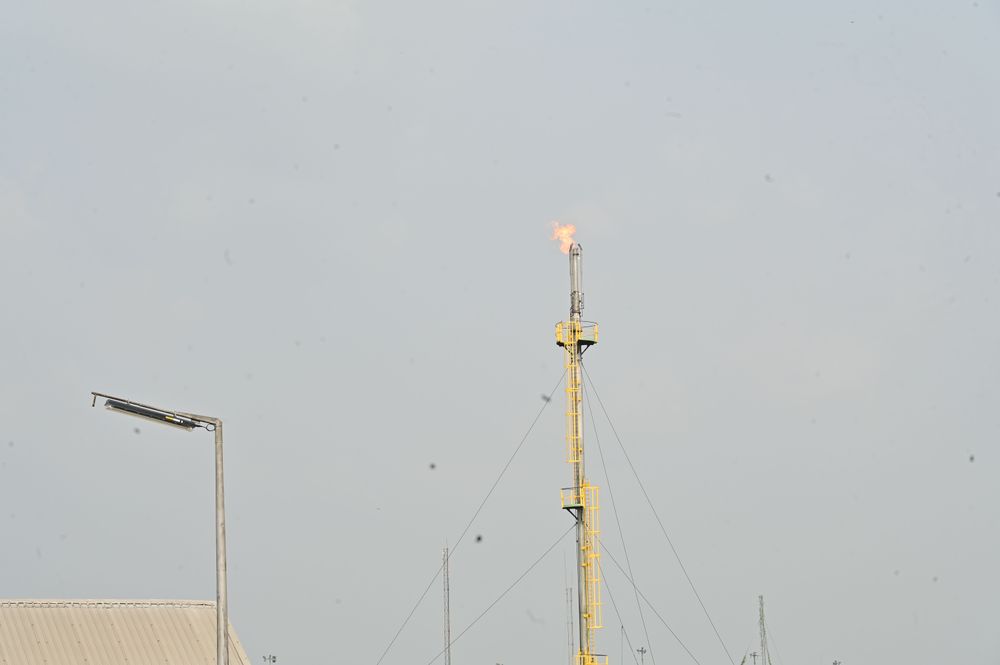
Photo source: NNPC Group