
Families in the Democratic Republic of Congo are being left to care for relatives dying of Ebola and bury them without the health workers or protective equipment needed to prevent further infections.
Development Diaries reports that two in every three confirmed Ebola deaths in the country are now occurring in communities rather than treatment centres, putting relatives who care for the sick and handle bodies at risk of infection.
Six months after the outbreak was declared a public health emergency of international concern on 16 May 2026, health officials reported 11,376 confirmed cases and 5,568 deaths as of 14 November, representing a case fatality rate of 48.9 percent.
Between 400 and 500 new cases are still being recorded weekly across 67 health zones in eight provinces, and Africa Centres for Disease Control and Prevention (Africa CDC) Director-General Jean Kaseya said recently that the outbreak remained out of control.
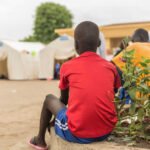
Children are bearing a particularly heavy burden, as they account for more than a quarter of confirmed cases and one-third of deaths, while seven in ten children under five with confirmed Ebola have died.
Recent UNICEF data also put deaths among children under five at 21 percent of all recorded fatalities, making this outbreak the second-largest and second-deadliest Ebola epidemic on record, behind the 2014–2016 West African outbreak.
The response, it is understood, is struggling with community surveillance and the gap between emergency funding pledges, with Kaseya saying that more than 80 percent of new cases are emerging outside existing contact lists, meaning health teams are missing most infections until people become sick or die.
Insecurity has made the work even harder, as an armed attack in Cantine-Aloya killed 66 civilians, including three health workers, and left more than 1,000 contacts lost to follow-up, with three confirmed cases still unaccounted for.
As for emergency funding, Kaseya said two-thirds of the US$2.9 billion mobilised for the continental Ebola response had not been disbursed, leaving contact tracers without salaries, motorcycles without fuel, vaccines and other supplies without cold-chain facilities, and community burial teams without protective equipment.
The burden falls hardest on rural households in remote parts of Ituri, North Kivu, Tshopo and Haut-Uele, where treatment centres may be hours away, with women often carrying the responsibility of caring for sick relatives and preparing bodies for burial, exposing them to infection.
Children under five face the highest fatality rates, while people with mobility disabilities may struggle to reach facilities at all.
The danger also extends beyond Congo, as Kenya recorded nine confirmed cases, including two deaths, linked to its first case, while Nigeria recorded one case in October.
Both countries have reasons to keep their border screening and preparedness measures strong, because an outbreak that remains uncontrolled in central Africa can become a wider regional emergency.
The African Charter on Human and Peoples’ Rights guarantees the right to the best attainable standard of health, while Article 24 of the Convention on the Rights of the Child requires governments to combat disease and reduce child mortality.
Those commitments mean little to families left to manage an Ebola death without protection or medical support.
Communities need to know whom to contact before a suspected Ebola death becomes a dangerous burial. In this case, local health committees, churches, mosques and burial groups should demand that district health teams publish the names and contact details of active tracing teams.
In Kenya and Nigeria, residents and civil society organisations should ask their health ministries and disease control agencies to disclose current port-of-entry screening arrangements and the number of trained isolation beds available.
The response also needs to show where the money is going. So Africa CDC should publish, within 30 days, a donor-by-donor account of the US$2.9 billion pledged, showing what each government committed and how much it has actually transferred.
For Congo’s health ministry, with support from World Health Organisation Regional Office for Africa (WHO AFRO), it should publish weekly figures on contact-tracing coverage in each health zone so communities can see whether the surveillance gaps are closing.
Given the high death rate among children under five, WHO AFRO should also coordinate a paediatric Ebola care protocol that provides dedicated treatment capacity for young children.
Governments and donors cannot keep announcing funding commitments while families provide care without protection and children die far from treatment centres.
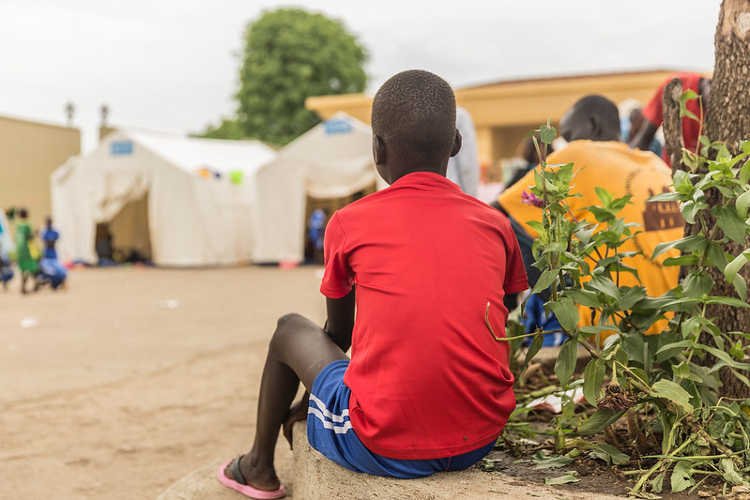
Photo source: UNICEF Ethiopia