



Senegal’s constitutional reforms are turning into a political power struggle that risks distracting the government from fixing the country’s deepening economic crisis.
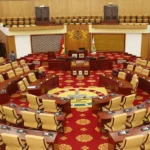
Development Diaries reports that the country’s National Assembly recently passed constitutional reforms aimed at strengthening parliament, limiting presidential powers and creating a Constitutional Court, despite opposition protests inside and outside parliament.
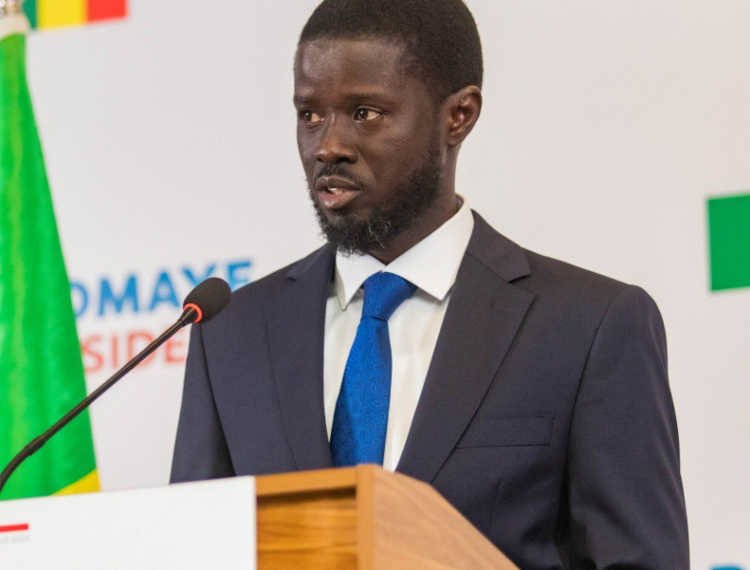
President Bassirou Faye has promised to submit the reforms to a national referendum, while the political rivalry between him and former Prime Minister Ousmane Sonko continues to deepen barely two years after both men rode to power on the same reform agenda.
The reforms, which contain several proposals that many democracies would ordinarily welcome, strengthen parliamentary oversight, establish a Constitutional Court, prevent a sitting president from leading a political party and introduce new safeguards for outgoing administrations.
However, politics has an impressive ability to turn even good ideas into complicated conversations.
The same political party that passed these reforms also controls parliament through Speaker Sonko, and President Faye no longer controls the same political machinery that brought him to power in 2024 after dismissing Sonko as prime minister in May.
As a result, reforms presented as institutional improvements are now unfolding inside an open contest over who ultimately controls Senegal’s political future.
Senegalese are therefore likely to judge these reforms beyond the constitutional language, asking who stands to benefit, why the changes are coming now, and whether they will make government work better for ordinary people.
The referendum announced by President Faye therefore becomes the most important part of the entire process, as it allows Senegalese to decide whether these constitutional changes genuinely strengthen democracy or merely rearrange political power among today’s leaders.
After electing both Faye and Sonko on the same ticket in 2024, voters now have another opportunity to shape the future of the institutions both men promised to reform.
The larger concern is that Senegal’s most urgent national challenge remains economic rather than constitutional.
Senegal’s constitutional debate is unfolding while the country is struggling with a deep fiscal crisis. Public debt is estimated at about 132 percent of GDP, and an estimated $11 to $13 billion in previously undisclosed liabilities inherited from the previous administration continue to weigh on public finances. The International Monetary Fund’s $1.8 billion programme also remains suspended, leaving investor confidence weak and government borrowing more expensive.
Senegal still needs to restore confidence in its public finances, conclude negotiations with international lenders and reassure citizens that the economic reforms promised during the 2024 elections are still on course.
The political disagreement between Faye and Sonko has also changed the conversation that brought both men into office. Millions of mostly young Senegalese voted for them because they promised cleaner governance, greater accountability, stronger management of natural resources and economic opportunities that benefited ordinary people rather than political elites.
Many young voters are therefore likely to ask whether these reforms will lower the cost of living, create jobs and restore confidence in Senegal’s economy, or will they simply keep politicians busy while households continue waiting?
The developments also remind governments across Africa that constitutional reform and economic recovery are rarely separate conversations, as political stability helps economies recover, while prolonged political contests often consume the attention governments should devote to solving the problems citizens feel every day.
Ultimately, Senegal’s constitutional reforms will be judged less by the wording of the amendments than by whether they strengthen democratic accountability while allowing government to focus on the economic recovery citizens elected it to deliver.
Photo source: Bassirou Faye