





Government services funded by citizens should never become rewards reserved for members of private associations, but that is the controversy now facing Nigeria’s embassy in the Philippines.
Development Diaries reports that a consortium of senior lawyers led by Chief Chukwuma Nwachukwu has filed a legal petition on behalf of concerned Nigerians living in the Philippines and Cambodia over a directive issued by the Nigerian Embassy in Manila on 20 May.
The embassy’s public notice stated that no Nigerian would be attended to on any consular matter without presenting evidence of registration with the Nigerians in Diaspora Organisation Philippines (NIDOPHIL).
The directive applied broadly to passport renewals, visa-related documentation, emergency consular assistance, academic documentation, and other services that citizens ordinarily expect embassies to provide.
The lawyers argue that the directive effectively makes membership of a voluntary association a condition for accessing government services and, in doing so, violates the constitutional rights of Nigerians abroad.
What the constitution says
Section 40 of Nigeria’s constitution guarantees every person’s right to freely associate with others. It also guarantees the freedom not to associate, meaning citizens may choose to join professional bodies, religious organisations, community groups, alumni associations, or diaspora organisations, but such membership remains voluntary.
The Manila directive appears to blur that distinction by tying access to government services to membership of a specific organisation.
A Nigerian student who loses a passport, a worker facing immigration complications, or a traveller requiring urgent documentation does not cease to be a citizen because they have not paid dues to a diaspora association becauae an embassy exists to represent and assist citizens abroad.
The petitioners noted that the directive affects students who often depend on embassy documentation to meet scholarship requirements, academic deadlines, and immigration obligations. For many of them, introducing an additional registration requirement creates a barrier that has no obvious legal foundation.
The broader pattern
It raises wider questions about how some government institutions increasingly relate to Nigerians abroad.
Nigeria frequently celebrates its diaspora community for contributing billions of dollars annually in remittances, with government officials routinely describing diaspora citizens as critical partners in national development and one of the country’s most important sources of foreign exchange.
But the Manila directive has generated concerns that some institutions may be treating diaspora communities less as citizens with rights and more as constituencies expected to meet organisational obligations before accessing government support.
The Nigerians in Diaspora Commission plays an important role in engaging Nigerians abroad and encouraging diaspora contributions to national development. What remains unclear is how that role can be reconciled with a directive that appears to make association membership a prerequisite for accessing government services.
Diaspora organisations may provide useful support networks for Nigerians abroad, but membership of any association cannot become a condition for accessing citizenship rights or government services.
Who is responsible?
The Nigerian Embassy in Manila issued the directive and therefore bears immediate responsibility for explaining its legal basis.
The Ministry of Foreign Affairs also faces questions because embassies operate under its supervision. If the directive was authorised, the ministry should explain the legal framework supporting it. If it was not authorised, citizens deserve to know why it has not been publicly rescinded.
The Nigerians in Diaspora Commission also faces scrutiny because the directive relies on a diaspora registration structure linked to its broader engagement framework.
At the time of writing, no government institution has publicly explained the constitutional basis for making NIDOPHIL registration a condition for consular access.
Gender and equity lens
Nigerian women working as domestic workers, healthcare professionals, caregivers, and students in the Philippines may be among those most affected by additional administrative barriers.
A domestic worker facing a labour dispute, medical emergency, or urgent passport issue may require immediate assistance from an embassy. Delays created by organisational registration requirements can carry consequences far beyond paperwork.
Citizens with limited financial resources are also more vulnerable because additional membership dues, registration costs, or compliance requirements can create obstacles that wealthier citizens may absorb more easily.
What must happen next
The Ministry of Foreign Affairs should urgently clarify whether any Nigerian embassy has the legal authority to condition consular services on membership of a diaspora association.
If such authority exists, the ministry should publish the law supporting it. If it does not exist, the directive should be withdrawn immediately.
The House of Representatives Committee on Diaspora Affairs and the Senate Committee on Foreign Affairs should also seek explanations from both the Ministry of Foreign Affairs and the Nigerians in Diaspora Commission regarding the legal and administrative basis of the directive.
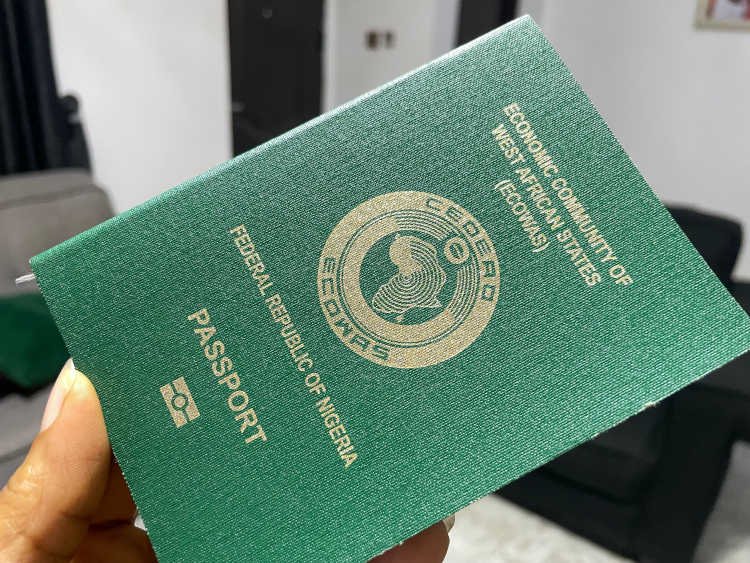
Nigerians abroad rely on embassies because citizenship is supposed to guarantee access to government protection, and no citizen should be left wondering whether an association membership card has become more important than a Nigerian passport.