


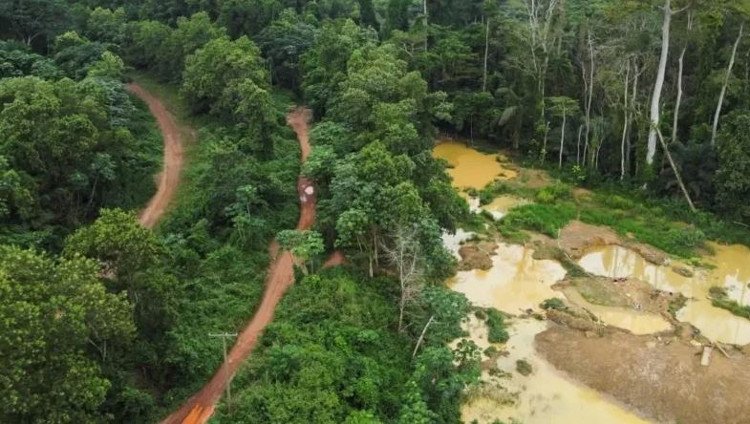
Flooded homes, polluted rivers and poisoned farmlands are making it difficult for many Ghanaians to believe that illegal mining is finally under control.
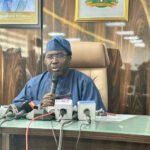
Development Diaries reports that Ghana’s Minister for Lands and Natural Resources, Emmanuel Armah-Kofi Buah, recently used the Government Accountability Series to present the government’s progress against galamsey, the country’s term for illegal small-scale mining.
He announced that no forest reserve had been lost to illegal miners, disclosed 258 arrests during operations in forest reserves, and reported the seizure of more than 1,000 pumping and washing machines alongside the removal of excavators used for illegal mining.
The presentation left many Ghanaians with the impression that the era of impunity was ending.
Five days later, however, the Ghana Coalition Against Galamsey challenged that conclusion. Its convener, Kenneth Ashigbey, said no major galamsey financiers had been prosecuted in the past 19 months beyond one publicly known case, despite President John Mahama’s campaign promise to pursue those funding illegal mining.
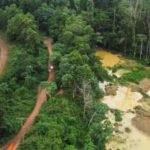
The coalition also pointed to continuing illegal mining around Lake Bosomtwe, pollution of the Birim, Densu and Ayensu rivers, and the displacement of more than 1,000 residents in Samreboi following flooding linked to mining activities.
Those two accounts raise an accountability concern because the question now is whether those who finance and protect illegal mining face the same consequences as those operating the machines.
The courts have already offered one indication that accountability may be changing after the Accra High Court recently convicted the Ashanti Regional Chairman of the New Patriotic Party, Bernard Antwi-Boasiako, popularly known as Wontumi, sentencing him to concurrent 20-year prison terms on several environmental crime charges and imposing a GH¢300,000 fine.
The conviction is significant because politically connected figures have rarely faced such consequences. Whether it signals a new pattern or remains an isolated example is what Ghanaians are now watching.
The answer lies in whether accountability reaches those financing and protecting illegal mining, not just those digging the pits.
After all, excavators do not buy themselves, fuel themselves or protect themselves.
Arresting workers while those higher up the chain remain untouched leaves the business largely intact, which is why responsibility extends beyond security agencies.
The Presidency, the Ministry of Lands and Natural Resources, the National Anti-Illegal Mining Operations Secretariat, the Forestry Commission and the National Petroleum Authority all have roles in dismantling the networks sustaining illegal mining.
The coalition has also questioned why fuel reportedly continues reaching illegal mining sites despite earlier assurances that supplies would be stopped.
Ghana’s Constitution requires the state to protect the natural environment and safeguard the health of its people.
That obligation becomes difficult to defend when rivers supplying drinking water are polluted with mercury, farmlands are destroyed and communities continue losing homes to flooding linked to illegal mining.
The burden also falls unevenly. Women farming and fishing along rivers such as the Birim, Densu, Pra and Ayensu lose crops, income and access to clean water. Children downstream continue to depend on polluted rivers for drinking and domestic use, while poor households displaced by flooding often have the fewest resources to recover.
Communities should continue documenting pollution, displacement and illegal mining activities while demanding investigations into concession holders and financiers operating around Lake Bosomtwe and affected river basins.
The Ministry of Lands and Natural Resources and the National Anti-Illegal Mining Operations Secretariat should publish a prosecution scorecard identifying every galamsey financier and kingpin under investigation, together with the status of each case.
The National Petroleum Authority should disclose the actions it has taken to prevent fuel supplies from reaching illegal mining operations, while the presidency should publicly remove and refer for investigation any political appointee credibly linked to galamsey.
The fight against illegal mining will ultimately be measured by whether those financing environmental destruction finally discover that political influence no longer buys immunity.
Photo source: Reuters