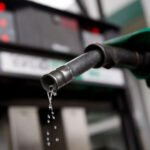


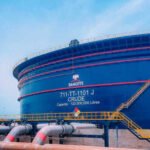




Another fuel tanker explosion in Niger State has claimed over 20 lives, and this reveals three things: poor infrastructure, lack of public awareness, and deep poverty.
Development Diaries reports that at least 24 people, including women and children, died in a petrol tanker explosion which occurred at Essa village, Agaie-Bida road, in the Katcha local government area of Niger State.
According to media reports, the explosion occurred while the victims were scooping fuel from the tanker, which fell around 11am on Tuesday due to the deplorable state of the road at Essa, about 4km from Badeggi town.
This incident reflects not just infrastructural failure but a deep breakdown in civic engagement and economic security.
Each time a fuel truck overturns, desperate citizens rush to scoop petrol, not out of ignorance but sheer survival instinct. In a country where over 63 percent of the population (133 million people) lives in multidimensional poverty, spilt fuel can seem like an opportunity rather than danger.
Furthermore, this exposes how little impact public awareness campaigns have had, that is if there have been adequate public campaigns in this regard.
Have the National Orientation Agency (NOA) and National Emergency Management Agency (NEMA) moved beyond token radio jingles and invested in grassroots education that genuinely resonates with rural communities?
But awareness alone is not enough. The terrible state of Nigeria’s roads and weak traffic control make accidents like this almost certain.
Nigeria’s collapsing road infrastructure and unregulated haulage system have turned highways into open graves. The Bida–Agaie route, where this latest explosion occurred, is just one of many roads in deplorable condition.
Across the country, thousands of kilometres of federal and state roads are in deplorable condition. A 2022 industry report indicates that only roughly 37 percent of Nigeria’s 195,000 km of roads are in ‘good condition, a clear sign of neglect.
Finally, this incident once again exposes Nigeria’s weak enforcement and lack of corporate accountability in the petroleum transport sector.
Many of the trucks plying highways are poorly maintained, overloaded, and operated by untrained drivers. According to Federal Road Safety Corps (FRSC) data, there have been at least 555 fatalities from petrol-tanker explosions between January 2020 and January 2025.
Holding both transport firms and regulatory bodies accountable is essential if Nigeria hopes to end these recurring tragedies. Until enforcement is taken seriously, these explosions will remain less about fate and more about failure.
What then should be done?
The FRSC and the Nigerian Midstream and Downstream Petroleum Regulatory Authority (NMDPRA) must enforce safety and maintenance standards for tankers, ensuring that haulage companies face strict penalties for negligence.
Additionally, the NOA and NEMA must rethink their communication strategies and move from short-lived radio jingles to consistent, community-based education.
As seen in Niger, women and children are often the first victims, which makes it even more urgent to create targeted awareness that speaks to the realities of rural poverty and survival.
Lastly, the Federal Ministry of Works and Housing should urgently conduct a safety audit of major tanker routes and ensure maintenance plans are not just listed in budgets but implemented.
Photo source: BBC