






The situation in the Democratic Republic of the Congo (DRC) is deeply concerning as hunger among children continues to escalate.
Development Diaries reports that, according to analysis from the Integrated Food Security Phase Classification (IPC) Partnership, about 14 million children, roughly one in five, will face crisis levels of hunger between January and June next year.
Of this number, 2.1 million are expected to experience emergency levels of hunger, marked by severe malnutrition and a high risk of death.
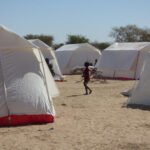
Most of these children are in the eastern provinces of Ituri, North Kivu, South Kivu, and Tanganyika, where ongoing conflict and displacement have left families struggling to survive.
This growing crisis shows how conflict and insecurity are directly worsening food shortages. More than two million people have been displaced in DRC this year alone, leaving families without farmland, markets, or access to humanitarian aid.
Hunger in the region is not just about food, it also affects health, education, and child development.
Malnourished children are more likely to fall sick, drop out of school, and struggle with stunted growth, which affects their future productivity and wellbeing.
Globally, the DRC now ranks among the countries with the highest number of people facing hunger emergencies.
The World Food Programme (WFP) and the UN Office for the Coordination of Humanitarian Affairs (OCHA) have both identified the country as one of the worst hunger hotspots, with over 25 million people, nearly a quarter of the population, facing acute food insecurity in 2024.
Yet, despite the scale of the crisis, humanitarian funding for DRC remains low, leaving millions of children and families without adequate food or medical support.
There is an urgent need for coordinated international action.
The DRC government must step up efforts to restore peace in conflict-affected provinces, support displaced families with emergency food supplies, and rebuild local agricultural systems to ensure long-term food security.
Also, the international community, including donor governments, should urgently scale up funding for food and nutrition programmes and ensure humanitarian access to hard-hit areas.
Source: Save the Children