




Fresh reports of another Nigerian military airstrike killing at least 100 civilians in Zamfara State have once again pushed ordinary Nigerians into the painful position of asking whether surviving bandits now also means surviving the bombs supposedly meant to protect them.
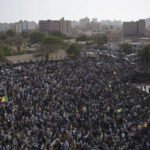
Development Diaries reports that Amnesty International has alleged that the Nigerian air force hit Tumfa market, with many injured persons currently receiving treatment in hospitals around Zurmi and Shinkafi.
The organisation said the strike happened after military jets were seen hovering around the area before returning to bomb the crowded market, while the air force had yet to issue an official statement at the time of reporting.
For many Nigerians, the most frightening part of this tragedy is that the story already sounds familiar. In December 2023, more than 120 civilians were killed in Tudun Biri, Kaduna State, after a military drone strike mistakenly hit a religious gathering during Maulud celebrations.
Before that incident faded from national memory, reports also emerged in April this year about another deadly strike around the Borno-Yobe axis that allegedly affected civilians gathered at a market.
Human rights organisations and international reports have repeatedly warned that civilian casualties linked to military operations are becoming a dangerous pattern in Nigeria’s security response.
The ordinary citizens paying the price are farmers, traders, market women, transport workers, and children living in communities already devastated by bandit attacks, kidnappings, displacement, and hunger.
In many rural communities across Zamfara, Kaduna, Niger, Sokoto, Borno, and Katsina states, citizens now live under a terrifying reality where survival itself feels like gambling between armed criminal groups and military operations targeting those groups.
This is also why public anger keeps growing each time authorities promise investigations while communities continue burying civilians, with many Nigerians now hearing the phrase ‘mistaken strike’.
Section 14(2)(b) of the 1999 constitution states that the security and welfare of the people shall be the primary purpose of government, with international humanitarian law also placing obligations on governments engaged in armed conflict to distinguish civilians from combatants and to take precautions that minimise civilian casualties.
The silence that often follows these incidents only worsens public distrust. Nigerians deserve transparent information about what happened in Tumfa market, who authorised the operation, what intelligence informed it, and whether civilian protection protocols were followed.
The Nigerian air force cannot continue treating public communication after civilian casualty allegations as though silence itself is a security strategy.
The National Human Rights Commission should immediately push for an independent investigation into the incident alongside credible civil society organisations and publish findings openly.
As for the National Assembly, it should hold public hearings examining repeated civilian casualty incidents linked to air operations and ensure recommendations are implemented.
The presidency must also recognise that compensation, medical support, and justice for affected communities are obligations owed to citizens whose lives were destroyed during state security operations.
So, families who lose loved ones under such circumstances should not be left begging for acknowledgement while national attention moves to the next crisis.
Citizens themselves should now begin demanding publicly released investigation reports after every civilian casualty incident, stronger civilian protection mechanisms in military operations, and clear accountability for negligence where violations occur.
Nigerians should also demand improved intelligence coordination before airstrikes are authorised because the continued normalisation of ‘accidental’ civilian deaths risks turning public safety into a tragic guessing game.
A country cannot successfully claim progress against insecurity while citizens continue dying in markets, worship centres, highways, and villages from both criminal violence and the operations meant to stop it.