


African governments are signing military agreements with powerful countries while ordinary citizens remain completely unaware of the actual terms being agreed to in their name, even though the consequences of those decisions could shape security, governance, and foreign policy across the continent for years.
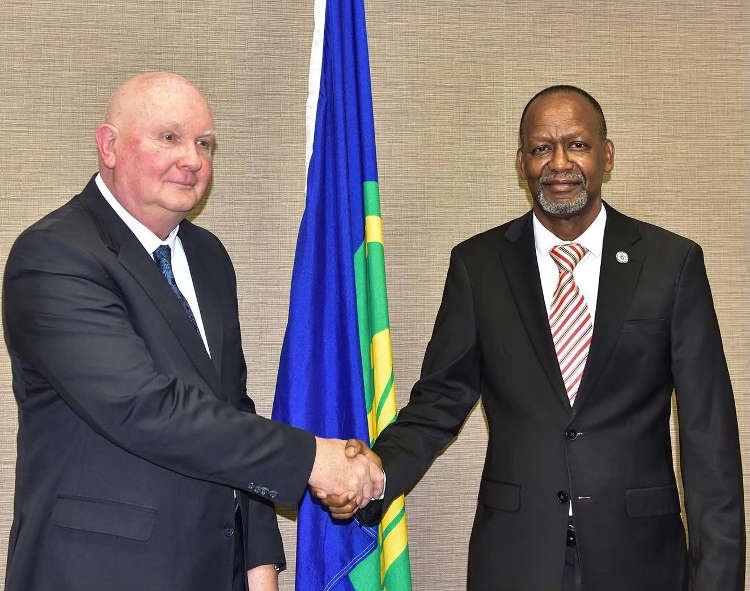
Development Diaries reports that Southern African Development Community (SADC) recently extended its military and technical cooperation agreement with Russia until 2028, with both sides announcing plans to deepen defence cooperation, logistics support, technical assistance, and humanitarian collaboration.
The announcement sounded diplomatic and routine, the kind of international partnership update governments usually package neatly for headlines before quickly moving to the next issue.
What citizens across Southern Africa did not hear, however, was the part that matters most in any democracy, namely, who examined the agreement before it was signed, what exactly was approved, and what safeguards exist for the people who will live under its consequences.
That silence is becoming normal across the continent whenever security agreements involving powerful foreign countries appear on the table.
Whether the partner is Russia, China, the United States, France, or any other global power, military cooperation deals are often treated like secret family recipes passed quietly between presidents, ministers, and security officials while citizens are expected to simply trust that everything is under control.
The problem is that military agreements are not small diplomatic handshakes that disappear after photographs are taken. These agreements shape how security forces operate, who trains them, what equipment enters countries, what foreign influence expands inside national institutions, and how governments position themselves in global political conflicts.
Many Africans already understand what it means when major decisions are made far above ordinary people’s heads, as fuel prices rise because of international agreements that citizens never saw, debt increases because of negotiations citizens never followed, and security operations expand while communities remain unsure who authorised what.
So when governments now announce new military cooperation arrangements with global powers, citizens are beginning to ask whether democracy only applies during election campaigns or whether it also applies when governments start making strategic security decisions behind closed doors.
The Russia-SADC extension comes at a particularly sensitive moment globally, as ongoing tensions surrounding the US-Iran conflict and disruptions in the Strait of Hormuz are already reshaping international energy routes, alliances, and geopolitical calculations.
The issue is not whether African governments should cooperate with Russia or any other country, but whether citizens have the right to know what is being agreed on their behalf before those agreements begin shaping national security structures.
Right now, most citizens do not know the specific terms inside the Russia-SADC arrangement, what kind of military training will happen, which countries will host operations, what legal protections exist if abuses occur, what limits apply to foreign personnel operating within member states, or whether any conditions restrict future security partnerships with other countries.
Women and girls often face some of the most overlooked risks whenever security governance lacks transparency and accountability, with security forces across different African countries already facing documented accusations involving gender-based violence, abuse of power, harassment, and misconduct.
Therefore, any military cooperation agreement that ignores human rights standards, gender-sensitive security reforms, and protections linked to the Women, Peace and Security agenda risks reinforcing the same institutional cultures that citizens have repeatedly complained about.
This is why citizens should not dismiss military cooperation announcements as distant diplomatic stories that belong only to defence ministries and foreign affairs experts. These agreements eventually shape policing culture, state security behaviour, political alliances, and public accountability within ordinary communities.
Institutions within the region, such as the SADC Parliamentary Forum, should not remain ceremonial observers while executive-level security agreements continue to bypass parliamentary scrutiny, while national legislatures, especially defence and foreign affairs committees, must begin to demand that such agreements undergo formal democratic review before implementation.
Citizens themselves must begin to ask necessary questions, such as whether parliament was informed before this agreement was signed, what exactly the operational terms are, what oversight mechanisms exist, what protections apply to citizens if abuses occur, and which institutions are responsible for monitoring compliance.
Africa cannot continue preaching democratic governance while some of the most important decisions affecting national security, sovereignty, and foreign influence remain hidden inside executive offices where citizens only hear about outcomes after signatures are already dry.
Photo source: SADC