




Ghana keeps announcing plans to fix technical education while students continue graduating from workshops where the machines stopped working long before they entered the classroom.
Development Diaries reports that Ghana’s government has proposed a dedicated Technical and Vocational Education and Training (TVET) Fund aimed at strengthening skills development and improving the country’s technical education system.
That action has reopened an old national conversation about why governments keep investing in TVET while employers still complain that graduates are leaving school without the practical skills industries actually need.
Somewhere inside a district polytechnic, an instructor is still teaching machine operation beside a lathe that has not worked for almost a year.
The students already know they will sit for examinations on practical skills they have never physically practised, while the employers who may eventually hire them have quietly learnt that some certificates no longer guarantee competence.
Everybody inside this arrangement understands the truth, but everybody continues behaving as though the system is normal because the breakdown has lasted so long that dysfunction now feels routine.
The machine was donated years ago through a government intervention programme that arrived with media cameras, speeches, and promises about industrial transformation.
The problem now is that the institution cannot afford the spare parts needed to repair it because the school’s budget was prepared years ago and inflation has since turned maintenance into a luxury.
By the time government officials announced the new TVET Fund this month, many instructors in struggling institutions were not thinking about the size of the proposed intervention. They were wondering whether any of the money would ever reach ordinary workshops outside the major cities where students still improvise practical lessons around broken equipment.
The painful part of this story is that Ghana has never lacked policies on technical education; since the 1990s, governments under both the NDC and NPP have repeatedly declared TVET a national priority.
The issue sits inside the chain of decisions that turns policy into reality, as budgets are approved without sustainable maintenance plans, institutions receive equipment without long-term replacement strategies, industries complain about graduate quality while investing very little in training partnerships, and schools continue teaching curricula that sometimes lag behind what employers actually require in the workplace.
The situation affects ordinary citizens far beyond the classroom because weak technical education eventually produces weak infrastructure, poor machine servicing, unreliable repairs, and industries forced to depend on imported expertise.
Women and girls face even deeper barriers inside the system because technical education still reflects strong gender divisions, as female students remain concentrated in courses like catering, dressmaking, and hairdressing, while engineering, construction, and manufacturing continue to be treated as male territory.
Unfortunately, the sectors dominated by women often attract lower investment and weaker earnings, meaning many female graduates leave school already positioned inside lower-paying parts of the economy.
Students living with disabilities also continue facing exclusion because many institutions remain physically inaccessible, with workshops, classrooms, and equipment still designed without serious consideration for accessibility.
The Ministry of Education, the Commission for Technical and Vocational Education and Training, and institutions responsible for educational financing now face the burden of proving that this proposed fund will become more than another attractive announcement.
What Ghanaians should demand now is transparency before celebration. Citizens should demand a public assessment showing the true condition of TVET institutions across the country, including which schools have functioning equipment, how many qualified instructors remain available, what graduate employment rates currently look like, and where the biggest infrastructure gaps exist.
They should also demand independent oversight of the proposed fund so that resources do not disappear into the familiar cycle of announcements without measurable outcomes.
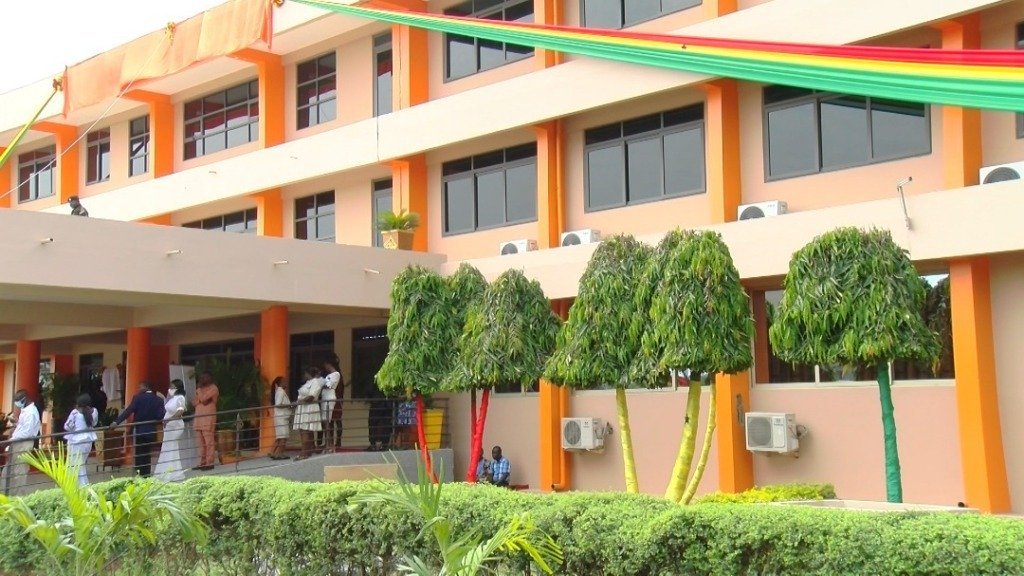
Photo source: Ghana TVET Service