

The World Health Organisation (WHO) has called for greater access to Covid-19 detection, testing and care among vulnerable populations grappling with the impact of protracted conflict and humanitarian emergencies across Africa.
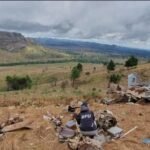
Development Diaries understands that Sub-Saharan Africa is home to over 26 percent of the world’s refugees; and long-running clashes in the Sahel, for instance, have led to the closure of health facilities.
In Burkina Faso, 110 health facilities have been closed due to insecurity while services have been impaired in 186 others, leaving around 1.5 million people without adequate health care.
In Mali’s central and northern regions, health services have been paralysed due to persistent attacks. In 2019 alone, 18 attacks on health facilities were reported. So far this year, one health centre has been attacked.
The Regional Director of Africa at WHO, Dr Matshidiso Moeti, said, ‘Covid-19 has exacerbated existing humanitarian challenges, particularly with regards to access to health services in many countries in the region. With the pandemic, we have seen some humanitarian operations delayed due to lockdowns, curfews and the restrictions of movement for both personnel and cargo vital for Covid-19 response’.
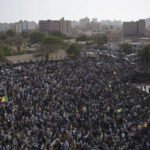
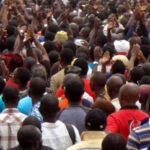
It is understood that crowded settings such as displacement camps could heighten the risk of Covid-19 transmission due to difficult access to clean water, leading to inadequate hygiene and where observation of physical distancing is almost impossible.
Moeti urged the humanitarian community and African countries to increase support to the millions of people in dire need of assistance.
‘If we [do not] step up health services, including testing, tracing, isolate and care for people already living in precarious settings and displacement camps, Covid-19 could spark untold tragedy’, he said.
Source: World Health Organisation
Photo source: Prachatai